
RESEARCH AND INSPIRATIONS:
this section should include ideas, quotes, snippets of readings, embedded videos, inspirational images, links related to the course or a current assignment/project
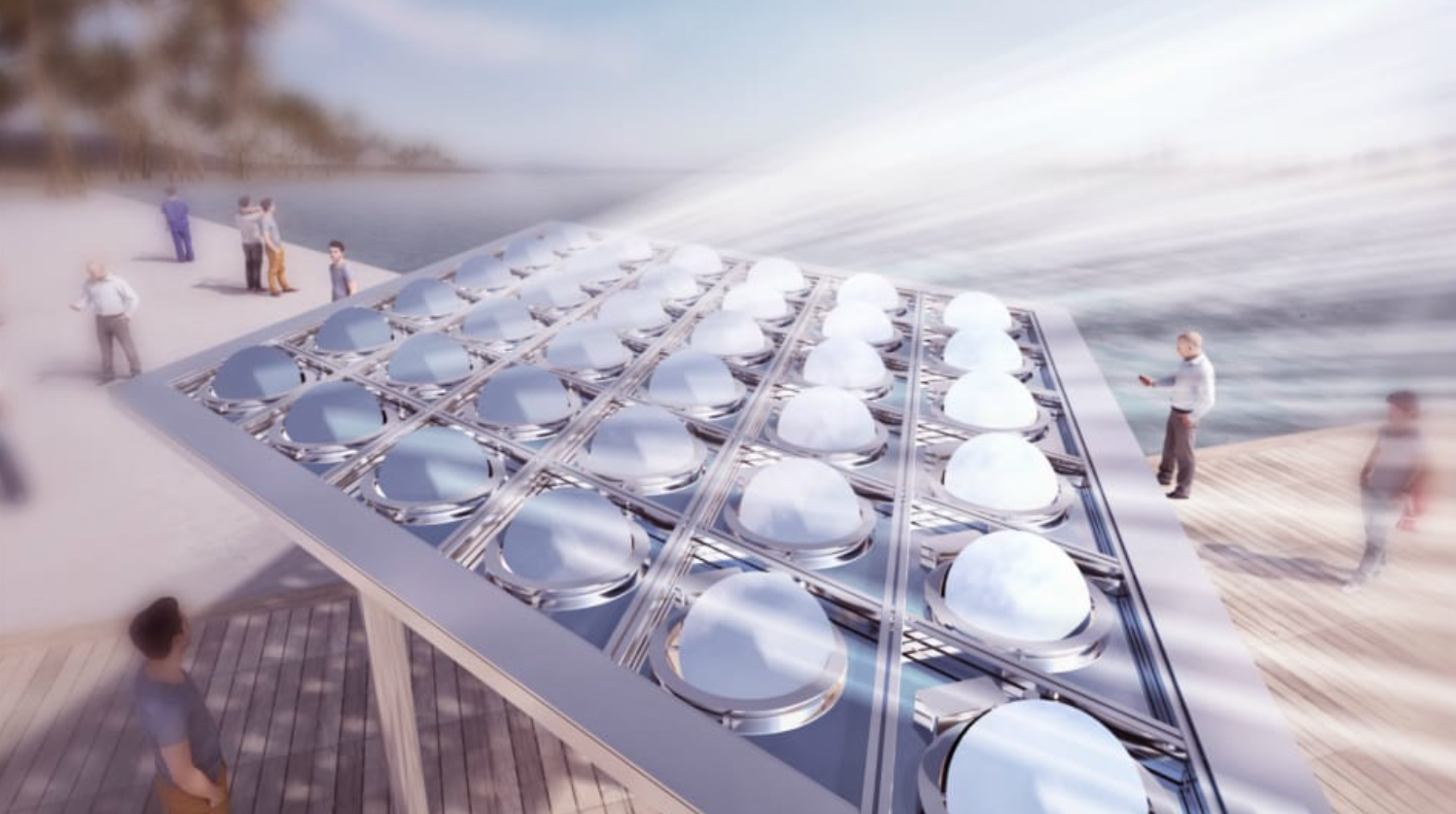
Solar canopy turns sunlight into electricity and art
Adapting to rising temperatures
“It’s about trying to understand the realities of climate change and how we might be able to turn the challenges of the coming decades into opportunities for innovation and entrepreneurship,” says Noah Raford, chief operating officer at the Dubai Future Foundation. “There’s plenty of sunshine in Dubai, and the government hope to reach 75% renewables by 2050.”
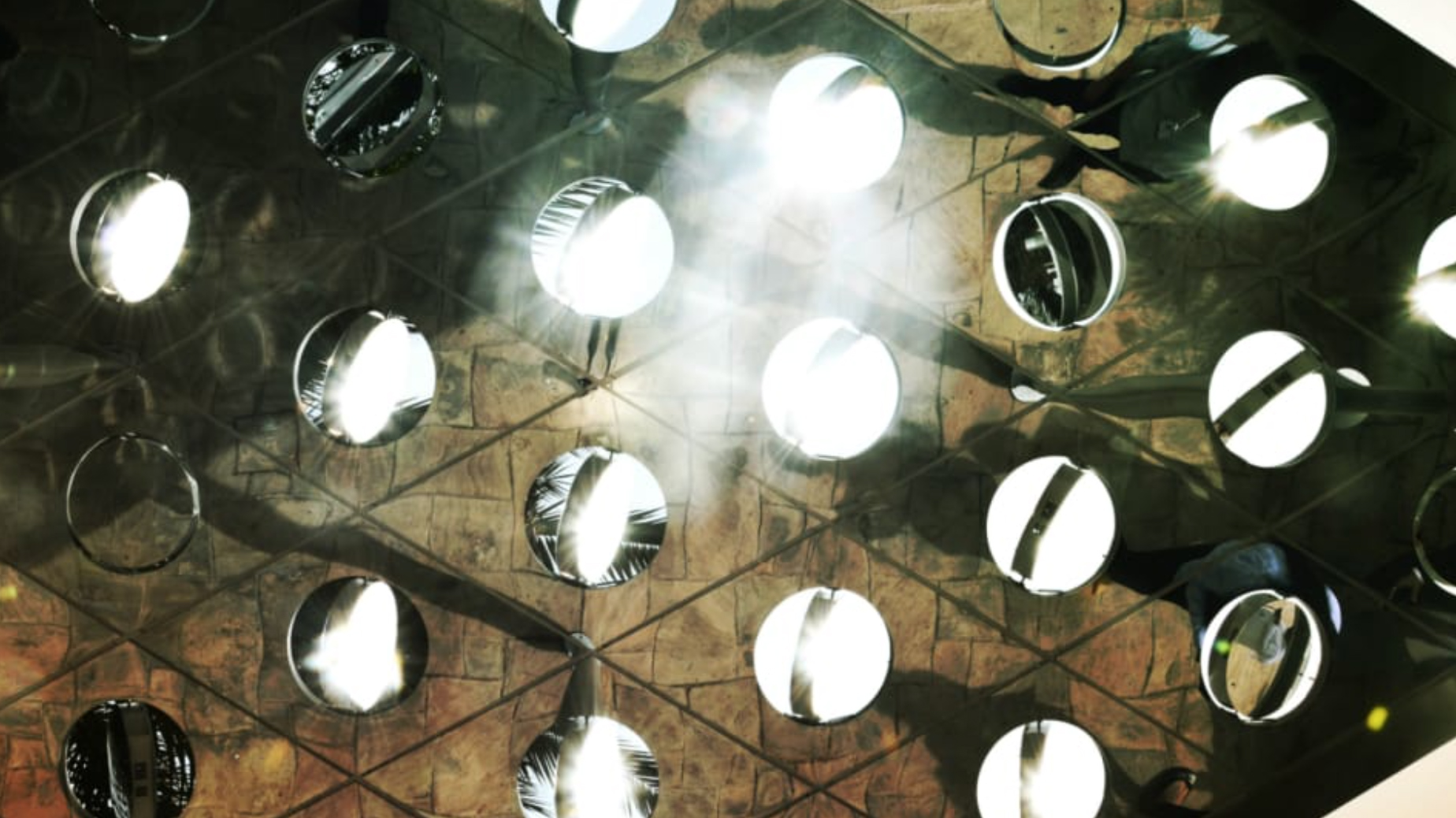
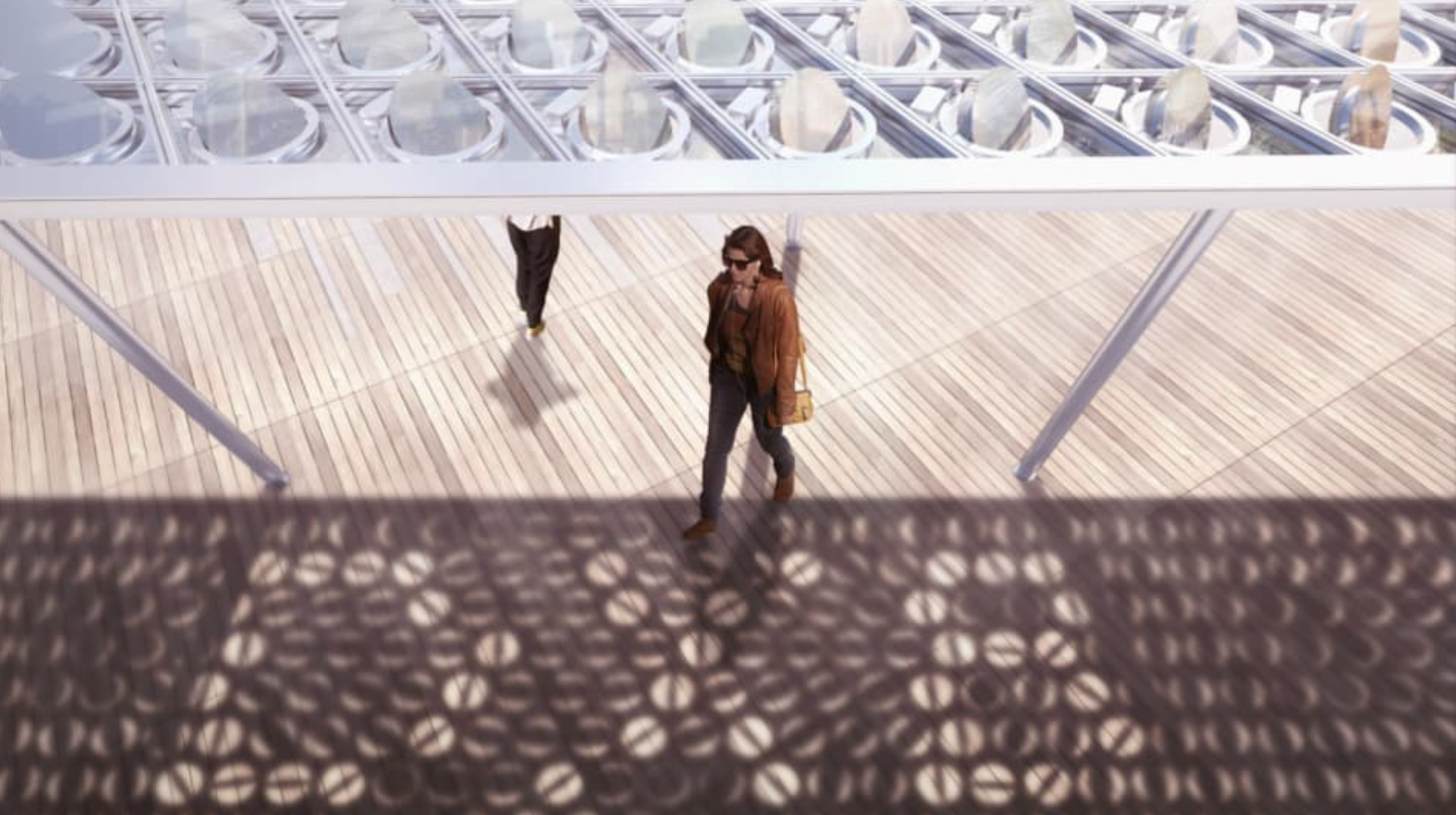
Shade reimagined
PROGRESS AND PROCESS:
this section should include in-progress images of projects and assignments, scanned sketches, descriptions of progress
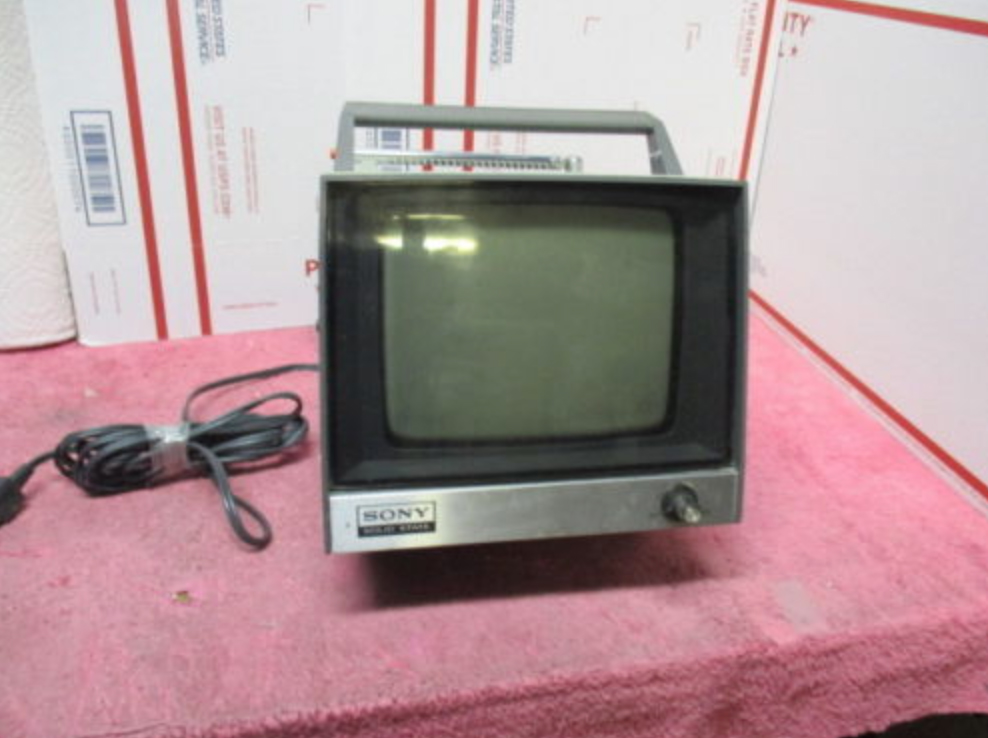
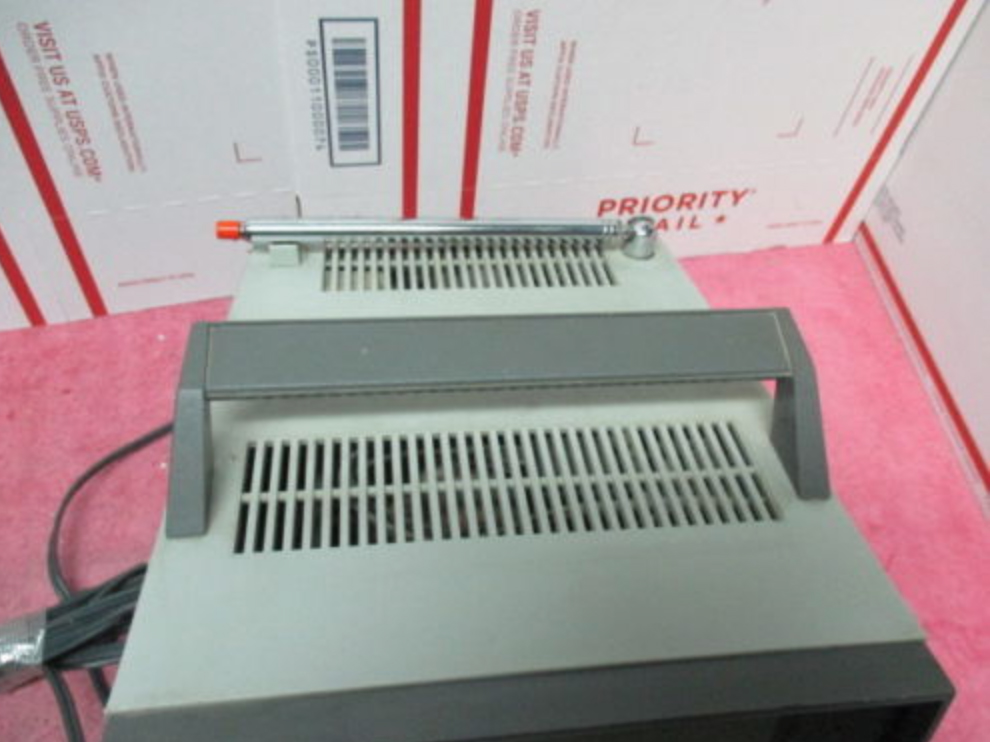
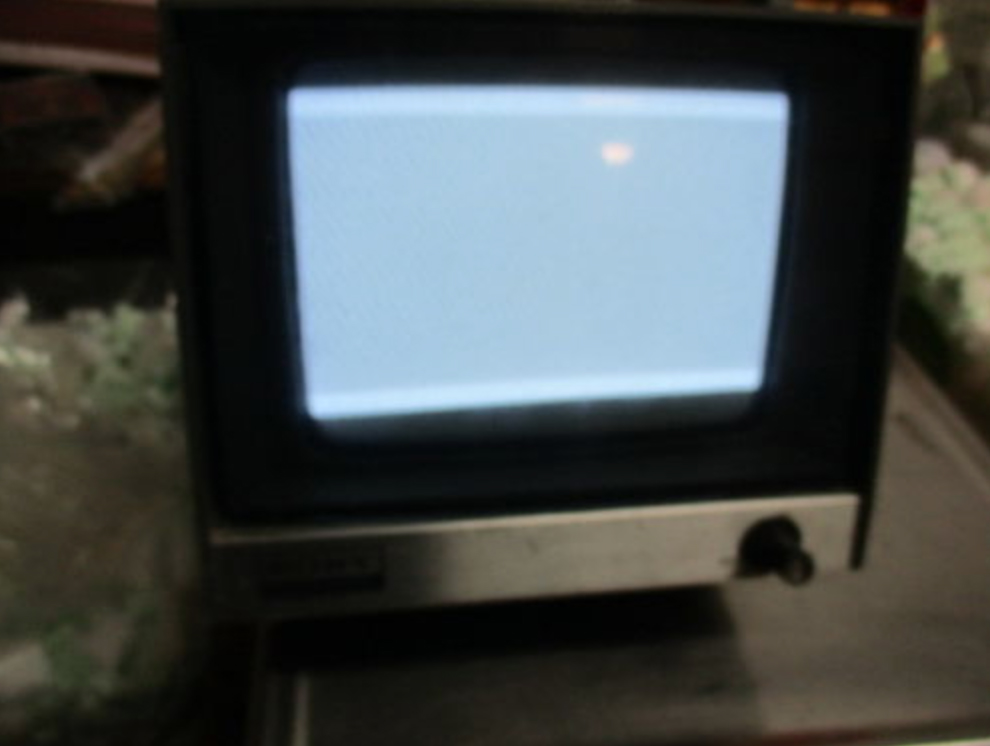
This week I did research and purchased materials. I would like to continue with my original approach of creating the “emergent 21st-century version” of the Sony SunSet. The 1960s Sony SunSet was revolutionary in the way it enabled watchers to watch anywhere. The text reads…. “We call it the first portable under the sun that shows a picture under the sun. A picture, with black blacks and white whites and grey greys–not a hazy, bleached-out blah. Because instead of a conventional white screen, the Sun Set has a typical black screen that cuts glare and compensates for the peroxide effect that daylight has on a TV picture. Likewise for indoors: you don’t have to sit in the dark anymore. (This may not do your love life much good, but your eyes will appreciate it.) And since it plays off rechargeable batteries as well as ordinary AC current, not only can you see it wherever you take it, you can take it wherever you want to see it.”
Materials Purchased:
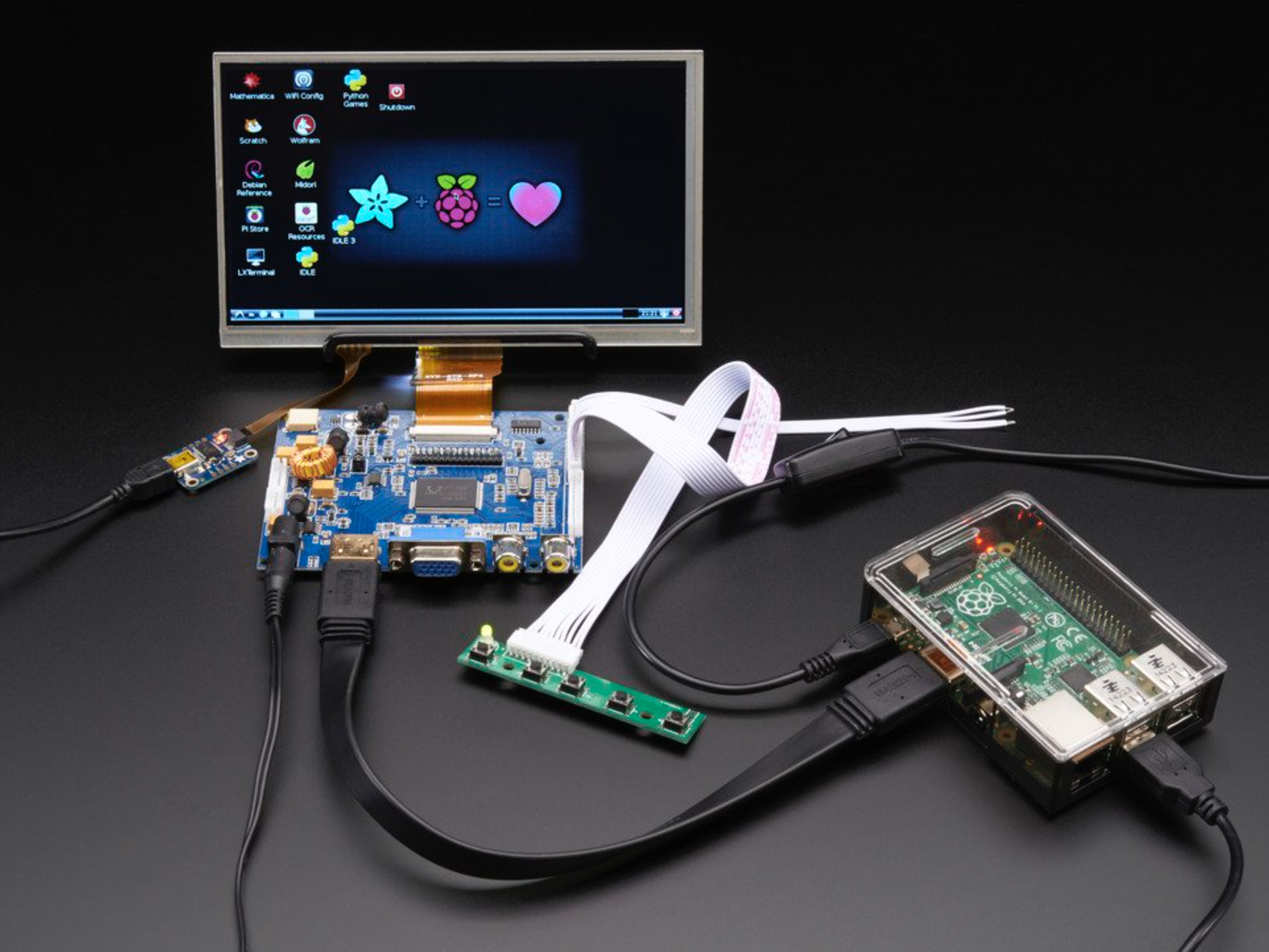
2 x HDMI 4 Pi: 7″ Display & Audio 1024×600 w/Touchscreen[ID:2397] = $99.95
1 x HDMI 4 Pi: 7″ Display & Audio 1024×600 – HDMI/VGA/NTSC/PAL[ID:2301] = $84.95
1 x 9 VDC 1000mA regulated switching power adapter – UL listed[ID:63] = $6.95
1 x HDMI Cable – 1 meter[ID:608] = $4.95
2 x Adafruit Perma-Proto Half-sized Breadboard PCB – Single[ID:1609] = $0.00
Project Strategy:
My current strategy is to receive the 1960s Sony Sun Set and create a photogrammetry model of the external form of the TV. I would like an obvious/direct visual connection between the ad TV and the reproduction. I will need to resize/remodel this (as needed) to fit the 7″ screen. This may include some additional editing to fit the more narrow dimensions of the screen. A new television will be created through an undetermined method (resin, porcelain, 3d print plastic, nylon)? I would like the material to be “green” (if possible). The screen would be installed in the new object and it would play a full-color video (not yet determined content). I imagine this project should have phases and ultimately end with a solar power video player.
Potential Project Phases?
Phase 1: Creation of form
Phase 2: Installation of video screen into form
Phase 3: Development of video for the screen
Phase 4: Solar power development (panel power)
REFLECTION:
this section should include what you accomplished that week
I want to make this project but don’t think I’ll be able to. Just feeling not equipped with the tools to do so. I’m completely unprepared to do any serious electronics and frankly, you’re just too busy to help. I need an Arduino/Processing tutor and am hopeful the school will be able to facilitate that connection. I am not able to use the casting facilities downstairs as they are currently not operational. I want to make this object out of other materials (possibly resin or porcelain – what would be most “green”?) but not sure how to make that happen within school walls. I spoke with Tim about his assistance with the solar component. He suggested I “test the TV to see how much _____ it pulls?” and “test the screen to see how much power we need to run the video”? Do either of these statements make sense? I truly don’t know how to do any of this. I only had one class (Tangible Interactivity) and that was in a horrible time slot – not conducive to me learning. Tim suggested that we may need to have concerns about the size of the solar cells/panel needed to power this tv/video. I may need to purchase a new Raspberry Pi. I will search for that this coming week so we can see if it is usable.