
RESEARCH AND INSPIRATIONS:
this section should include ideas, quotes, snippets of readings, embedded videos, inspirational images, links related to the course or a current assignment/project
Art has a way of seeping into the consciousness of everyday people, which is crucial to any kind of change.
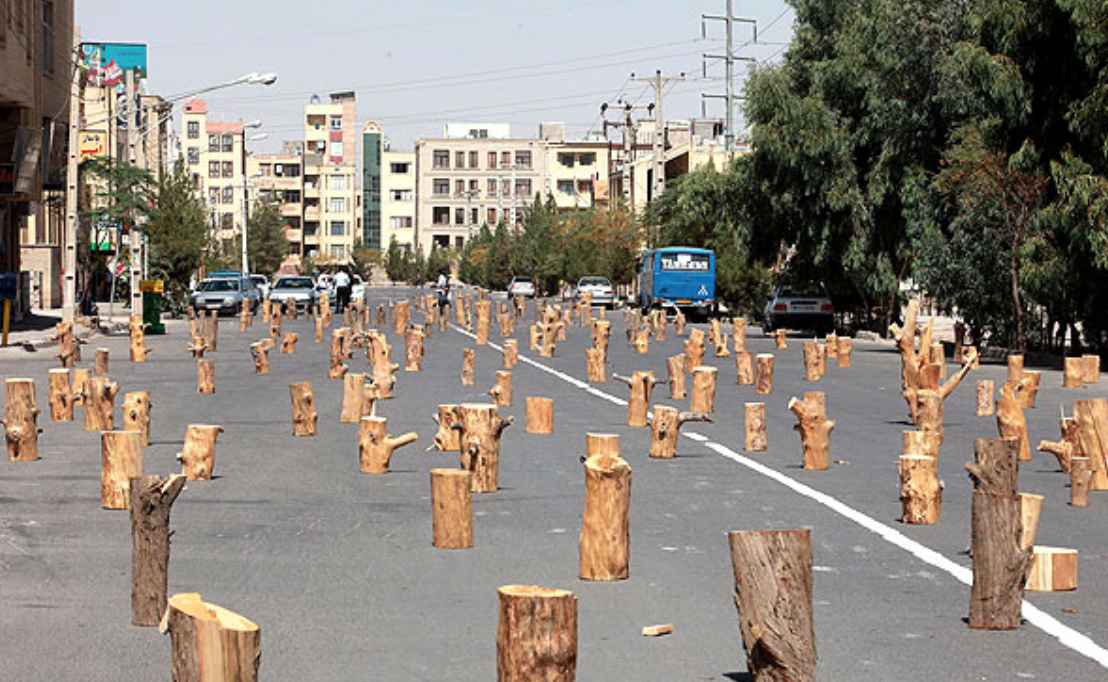
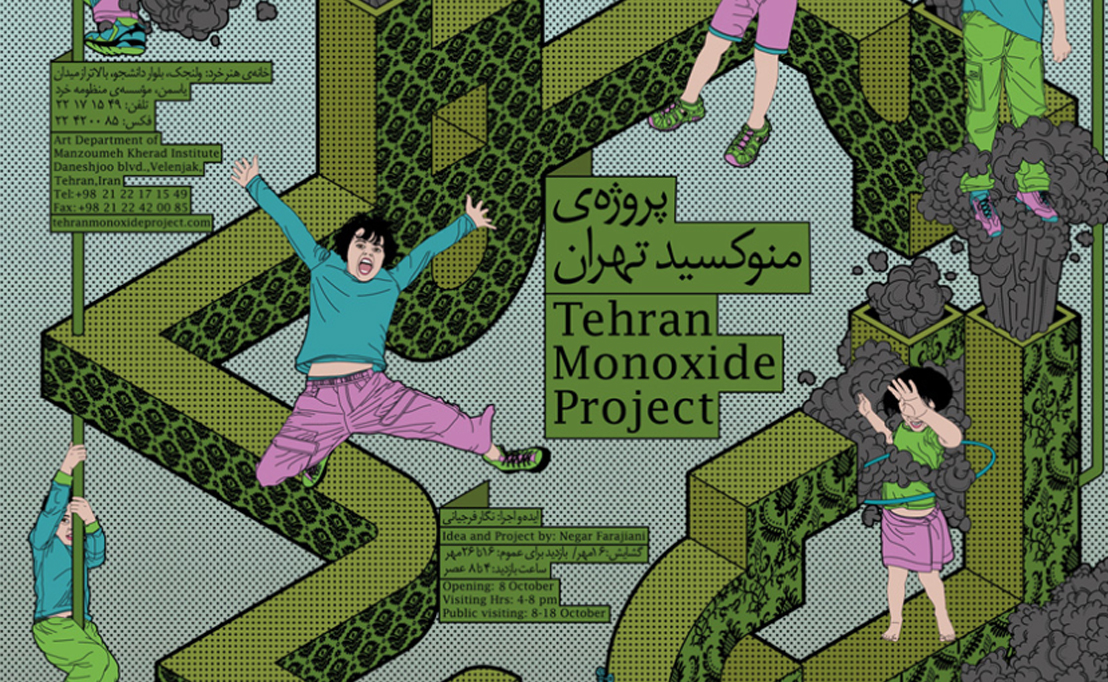
While Iranian “tree huggers” were busy planting tree stumps in Kerman to draw attention to deforestation, a different kind of protest was unveiled at a school in Tehran. Concerned about Iran’s dubious distinction of having the most polluted cities in the world, several artists and an actor launched the Tehran Monoxide Project art exhibit. Smog is bad for human health. That’s a no-brainer. It aggravates asthma, causes respiratory illness and lung disease, and – even worse – higher temperatures resulting from climate change will increase the negative effects of air pollution, according to the National Resource Defense Council.
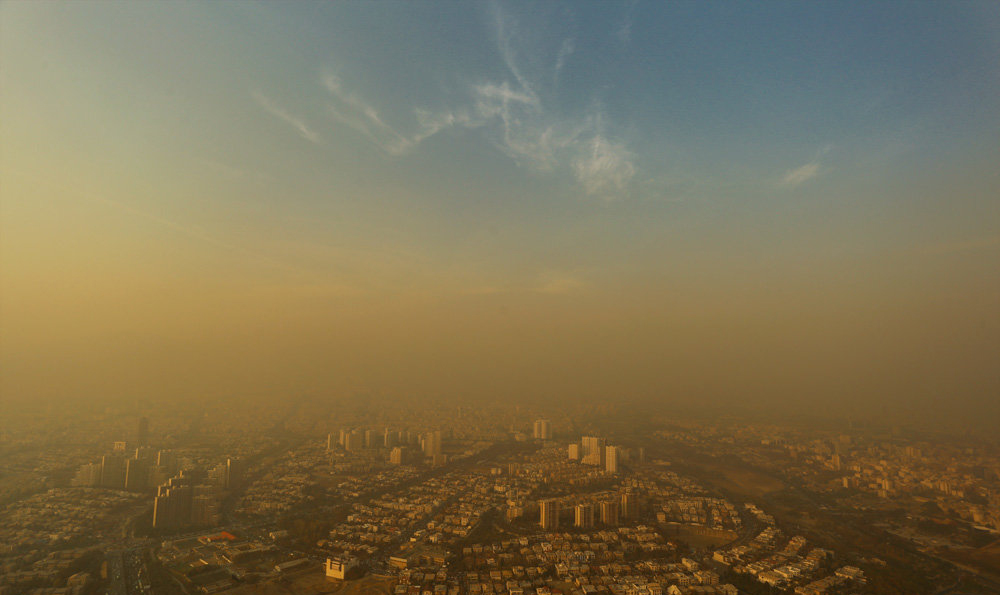
The World Health Organization reported that Iran has the most polluted cities in the world. Through mixed media – including printed graphics and lighting – Christophe Razei Shady Ghadirian, Neda Rezalipour Simin Keramati, and the actor Soroush Sehat are using art to elevate the pollution conversation. The accompanying poster says it all: children need a place to play and they shouldn’t have to jeopardize their health in order to do so.
PROGRESS AND PROCESS:
this section should include in-progress images of projects and assignments, scanned sketches, descriptions of progress
REFLECTION:
this section should include what you accomplished that week
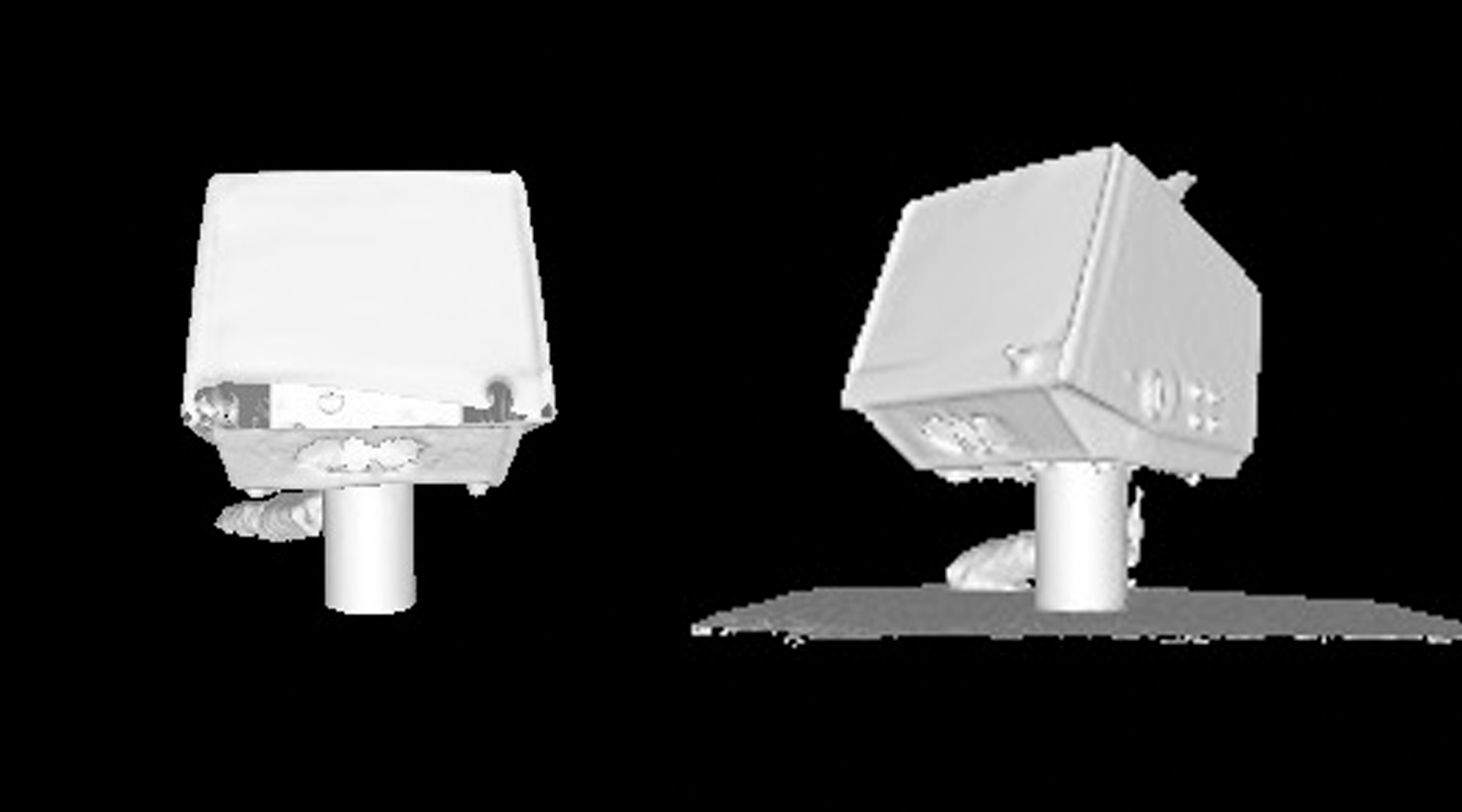
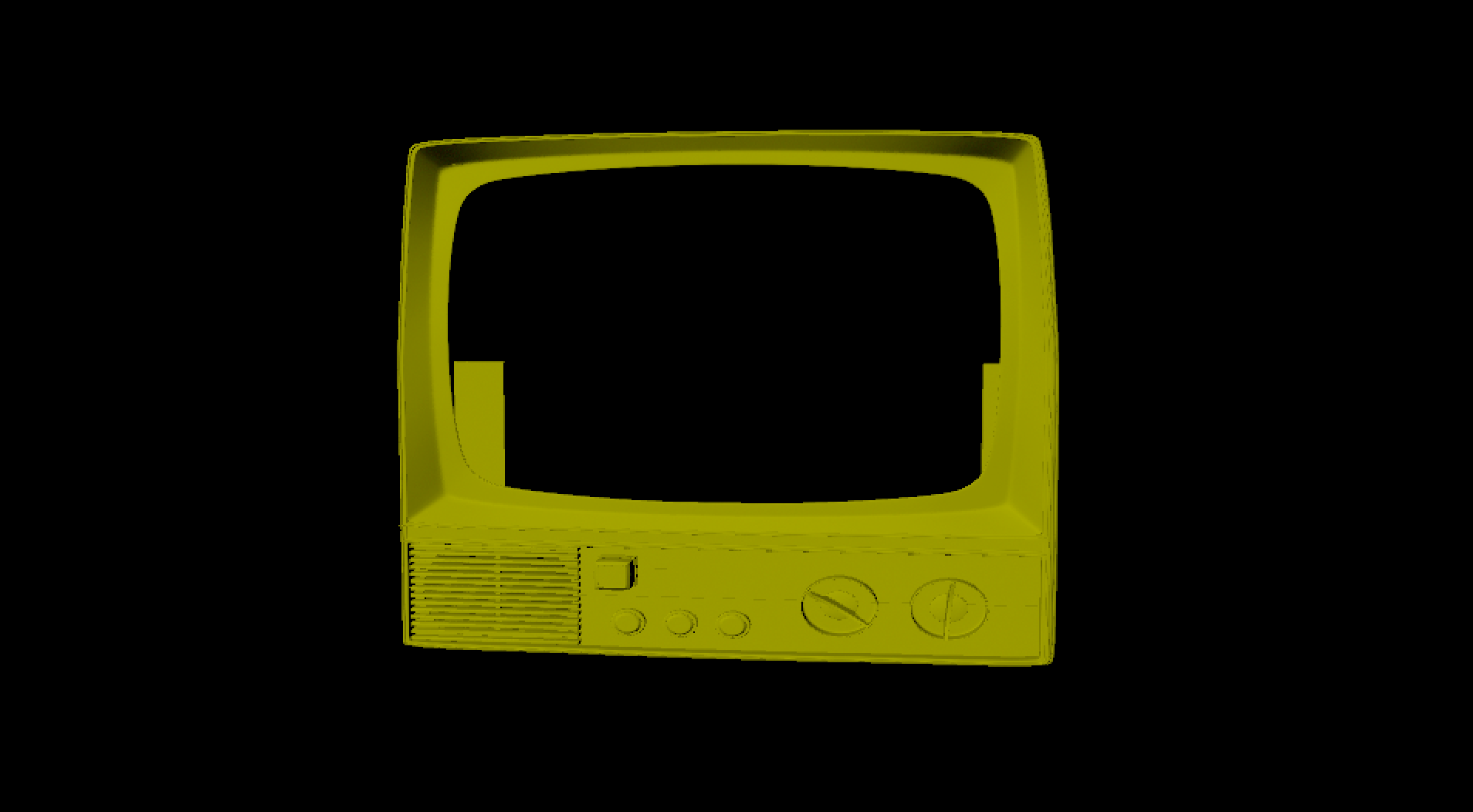
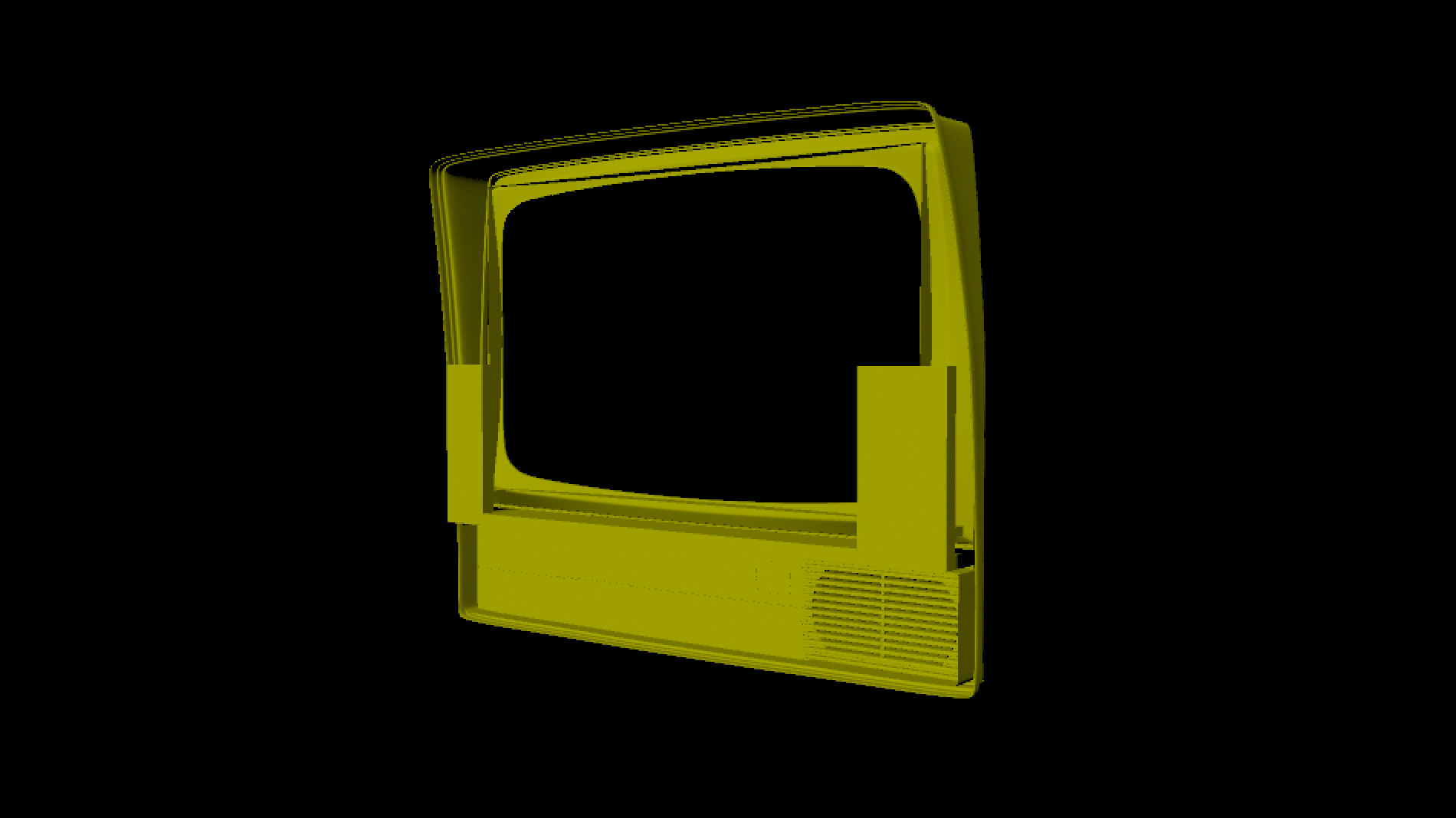
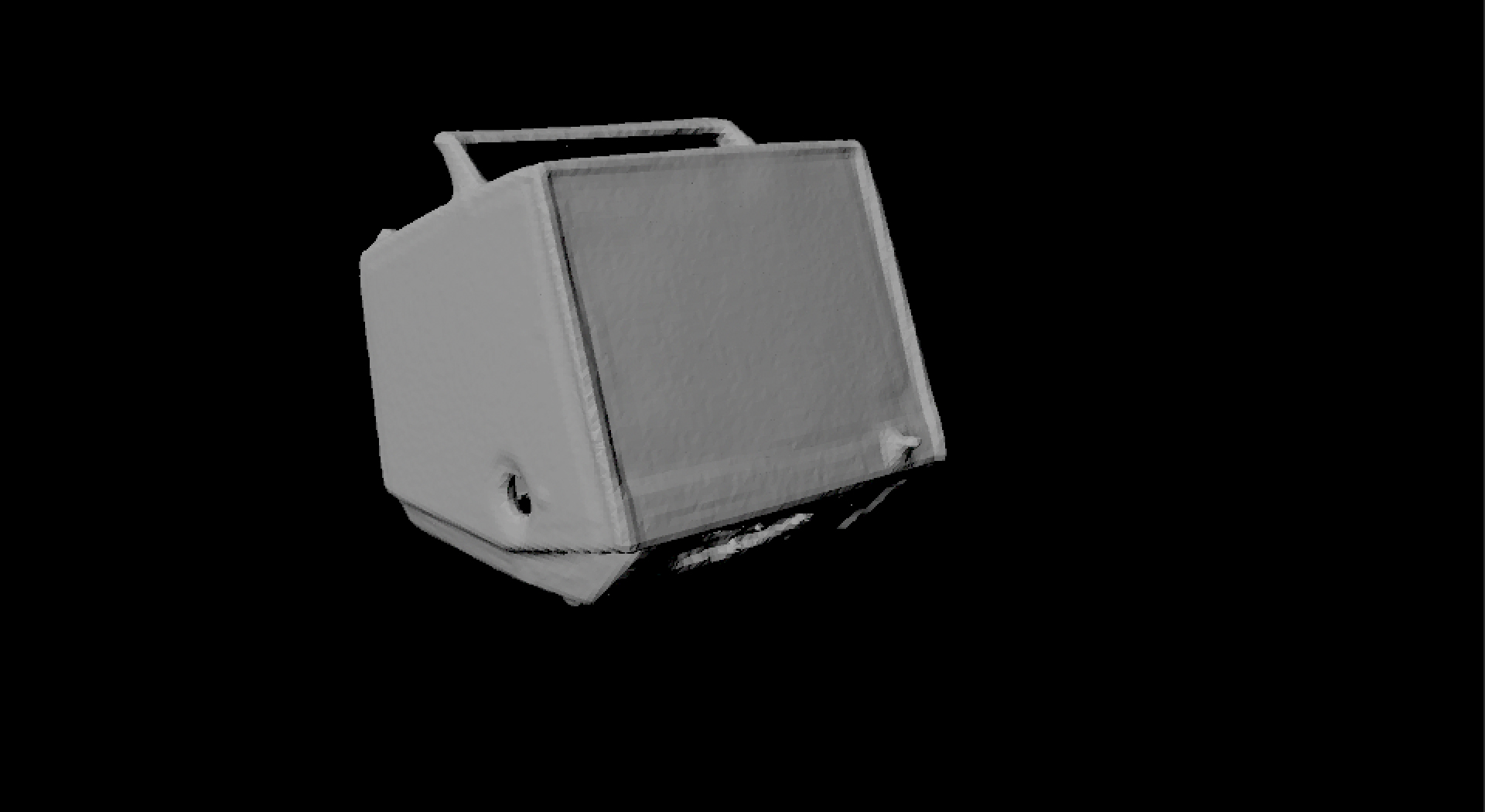
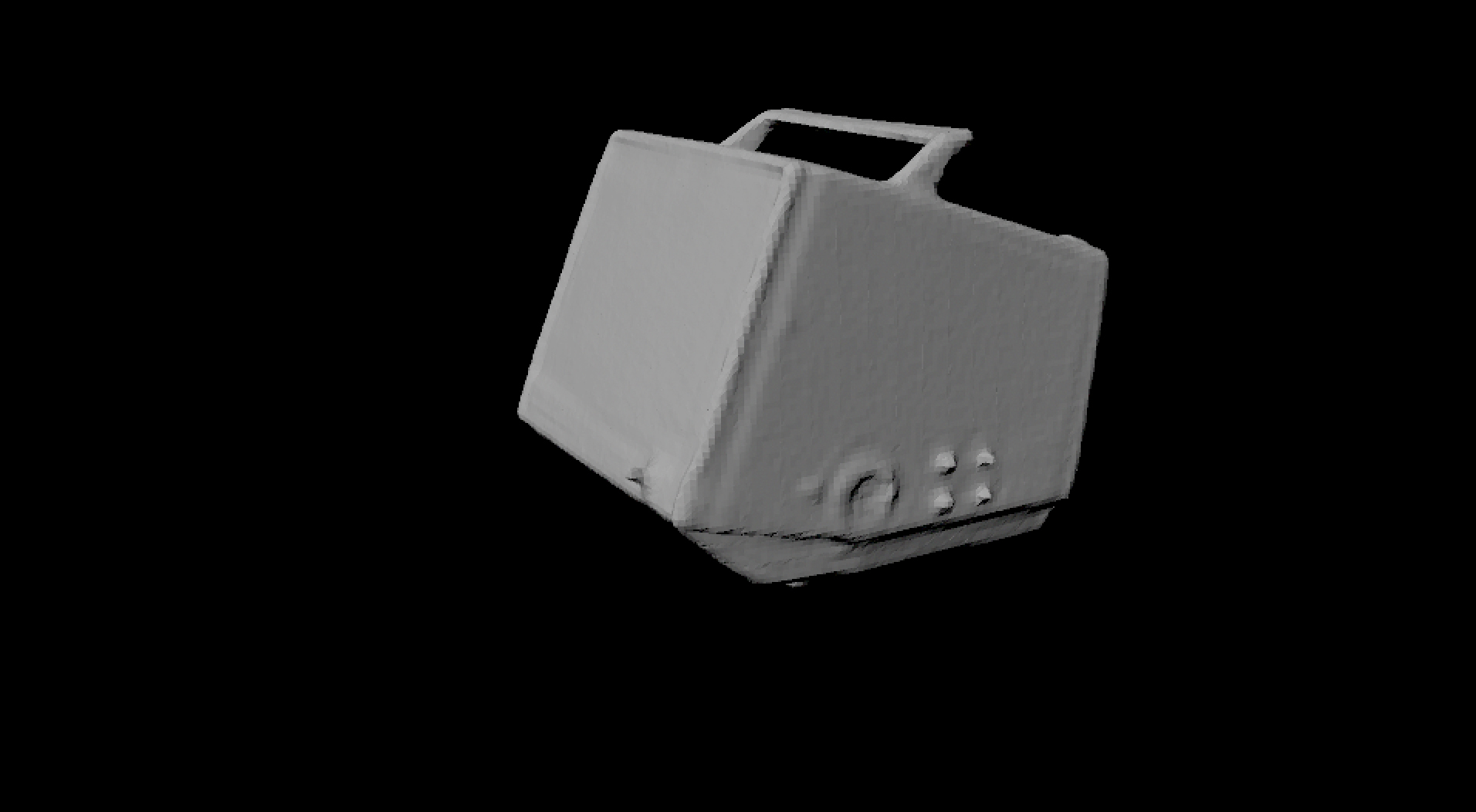
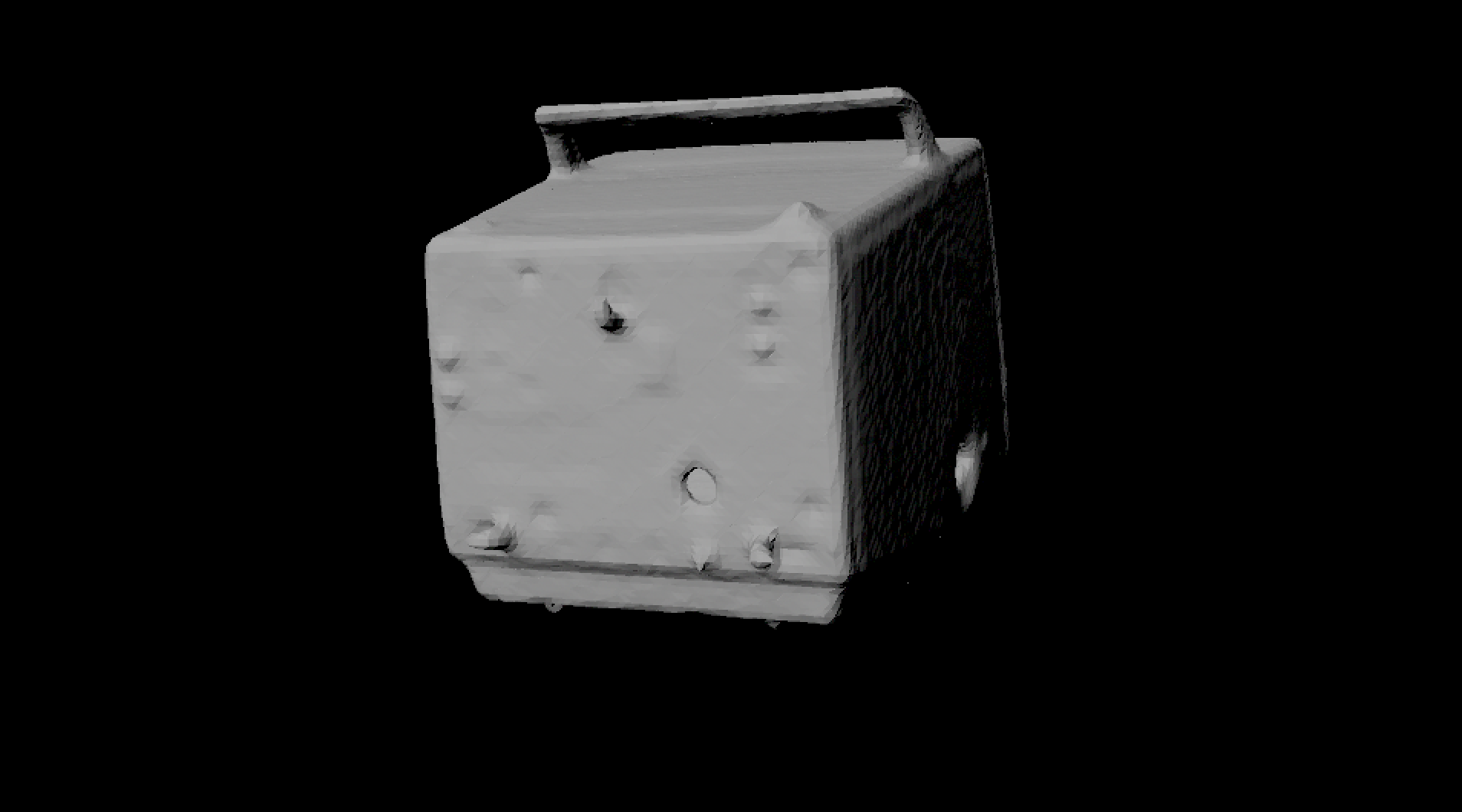
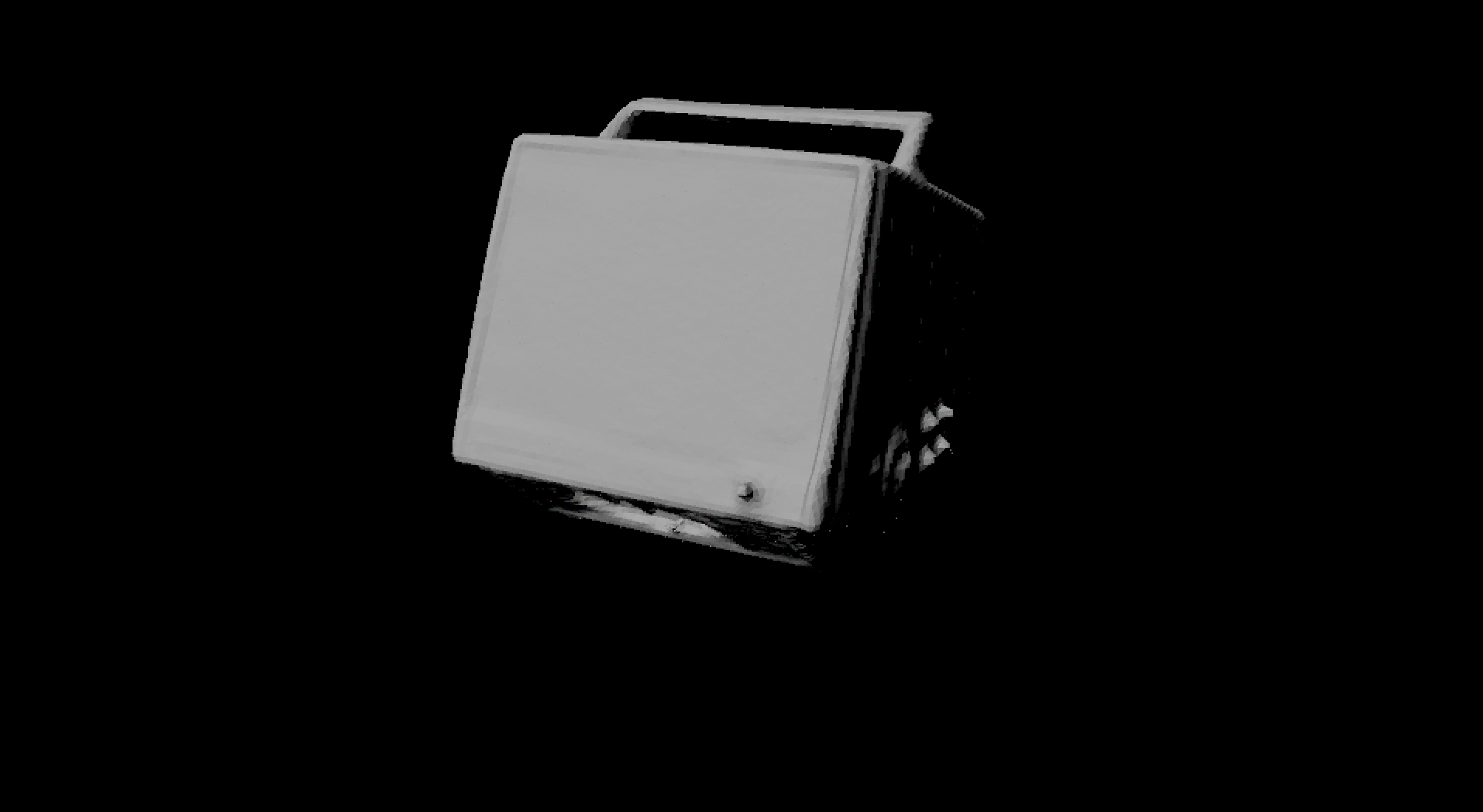
I started this week with an attempt at the structure scanner (before it was due back to tech check on Monday!). The structure scanner produced MUCH better results than the 280 photos with the DSLR. I made several attempts at the structure scan and have included the two best scans above (first image in the PROCESS section). I also re-modeled the stock TV facade. I will still try to use this form in the final deliverable. The structural support I had added to the stock model was not done properly with existing mesh so that model had to be discarded as the computer would not process with errors. I also needed to adjust the structural supports to accommodate the inputs/outputs on the back of the TV screen. I have created a new file that I attempted to print last weekend but the 3d printer was down/not working at this time. I will try again on Friday to 3D print the TV facade. You said not to worry. For this version of the stock TV facade, I tried to be precise with my measurements so it will fit the dimensions of the flat screen. The four (4) additional images in the process section show various angles of the cleaned model I’ve been working with –produced by the structure scanner. There are still many hours that will need to put in to get a viable shape for printing. I will also need to re-model the knobs and then disassemble the model so it can be printed in sections. Again, I accomplished much this week but still unsure if I will have anything prepared for critique. Friday’s in-class work session will hopefully be productive –allowing me the opportunity to test print the facade. Hopefully, it works the first time as the first model I tried to print said it would take 1 DAY AND 4 HOURS (that’s 28 hours to print –just the FACADE).
I reached out to Professor Tim Weaver on February 18th for assistance on the solar powered part of this project. I see him weekly, so I’ve been able to follow up with him weekly and have not yet received any assistance. When I approached him about this again on March 8th, he expressed his apologies. He admitted that he has been too focused on grant writing and has essentially ignored my request for assistance.