
RESEARCH AND INSPIRATIONS:
this section should include ideas, quotes, snippets of readings, embedded videos, inspirational images, links related to the course or a current assignment/project
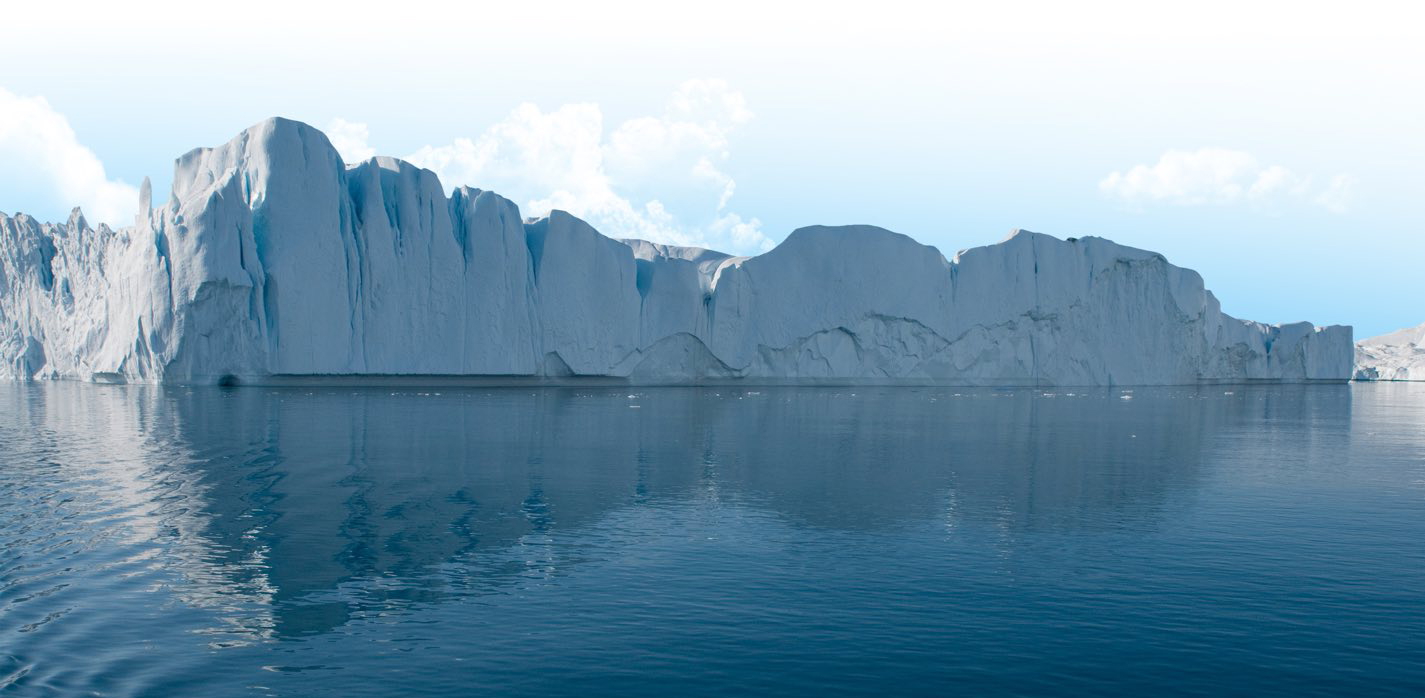
Arctic Sea Ice
Sea ice is an important component of the climate system. A sea ice cover on the ocean changes the surface albedo, insulates the ocean from heat loss, and provides a barrier to the exchange of momentum and gases such as water vapor and CO2 between the ocean and atmosphere. Salt ejected by growing sea ice alters the density structure and modifies the circulation of the ocean. Regional climate changes affect the sea ice characteristics and these changes can feed back on the climate system, both regionally and globally. Sea ice is also a major component of polar ecosystems; plants and animals at all trophic levels find a habitat in, or are associated with, sea ice.
Most sea ice exists as pack ice, and wind and ocean currents drive the drift of individual pieces of ice (called floes). The decreases in both concentration and thickness reduces sea ice strength reducing its resistance to wind forcing, and drift speed has increased (Figure 4.6d) (Rampal et al., 2009; Spreen et al., 2011). Other significant changes to the Arctic Ocean sea ice include lengthening in the duration of the surface melt on perennial ice of 6 days per decade (Figure 4.6e) and a nearly 3-month lengthening of the ice-free season in the region from the East Siberian Sea to the western Beaufort Sea.
Satellites with the capability to distinguish ice and open water have provided a picture of the sea ice cover changes. Since 1979, the annual average extent of ice in the Arctic has decreased by 3.8% per decade. The decline in extent at the end of summer (in late September) has been even greater at 11% per decade, reaching a record minimum in 2012. The decadal average extent of the September minimum Arctic ice cover has decreased for each decade since satellite records began. Submarine and satellite records suggest that the thickness of Arctic ice, and hence the total volume, is also decreasing. Changes in the relative amounts of perennial and seasonal ice are contributing to the reduction in ice volume. Over the 34-year record, approximately 17% of this type of sea ice per decade has been lost to melt and export out of the basin since 1979 and 40% since 1999. Although the area of Arctic sea ice coverage can fluctuate from year to year because of variable seasonal production, the proportion of thick perennial ice, and the total sea ice volume, can recover only slowly.
PROGRESS AND PROCESS:
this section should include in-progress images of projects and assignments, scanned sketches, descriptions of progress
REFLECTION:
this section should include what you accomplished that week
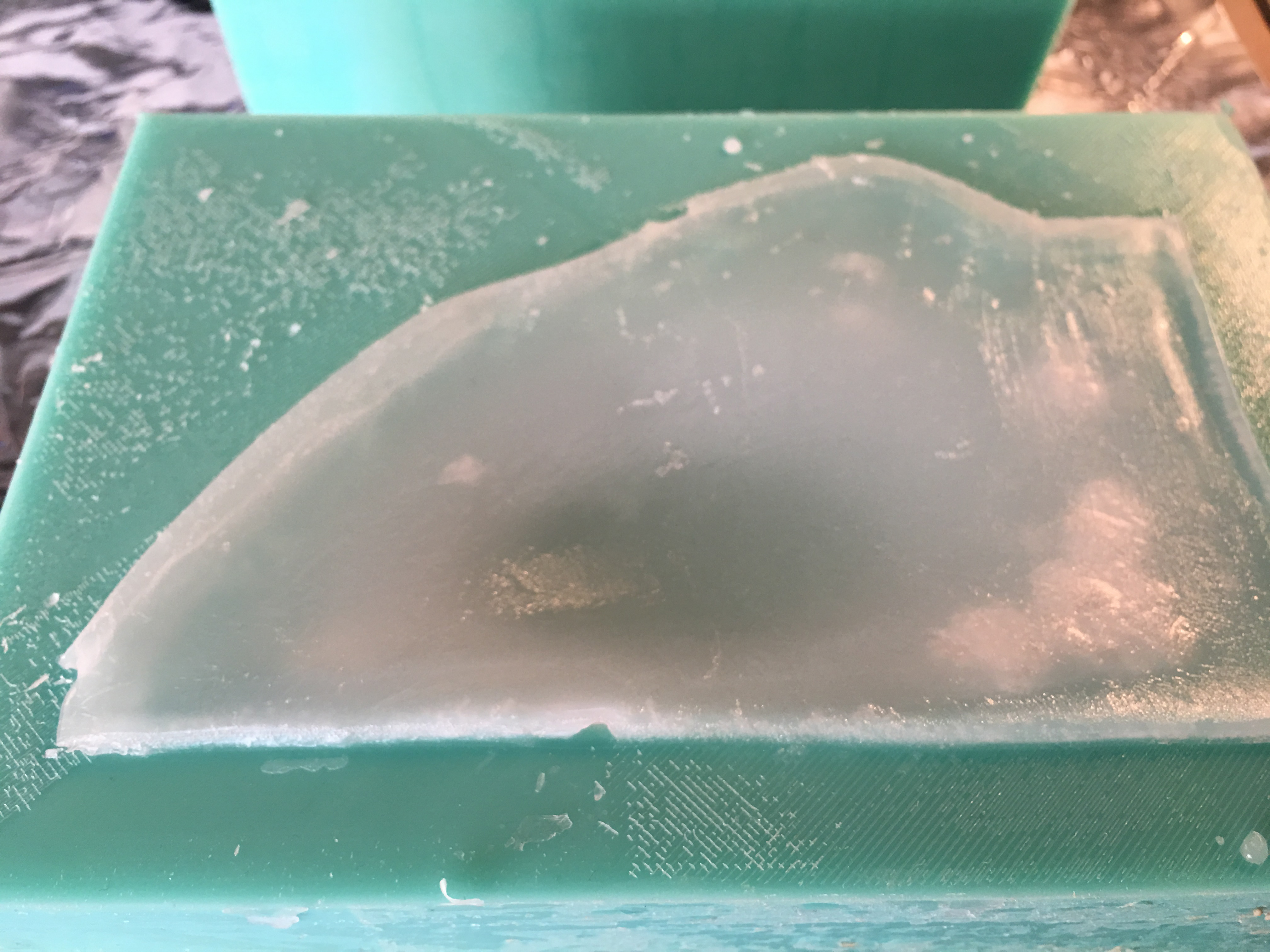
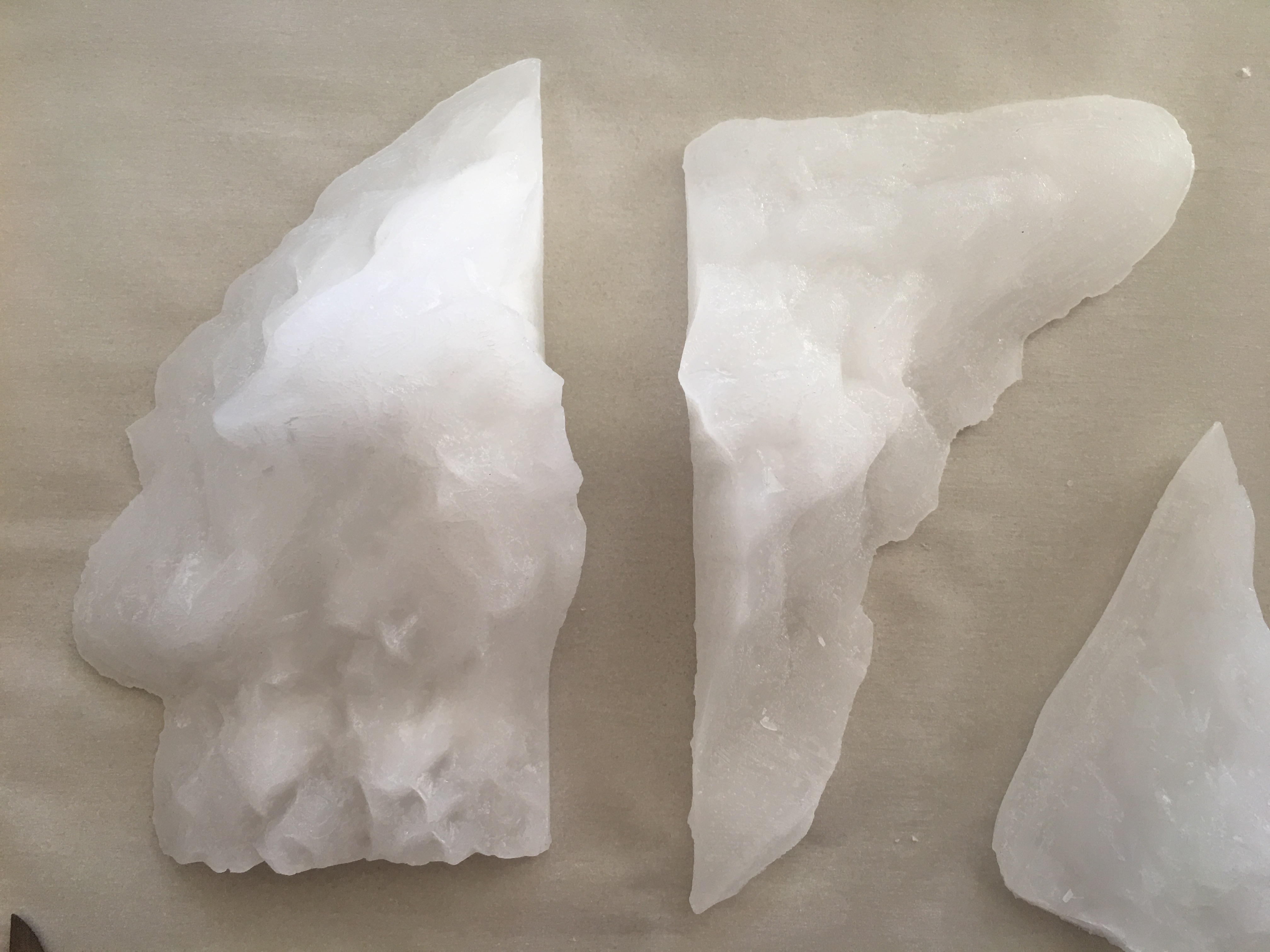
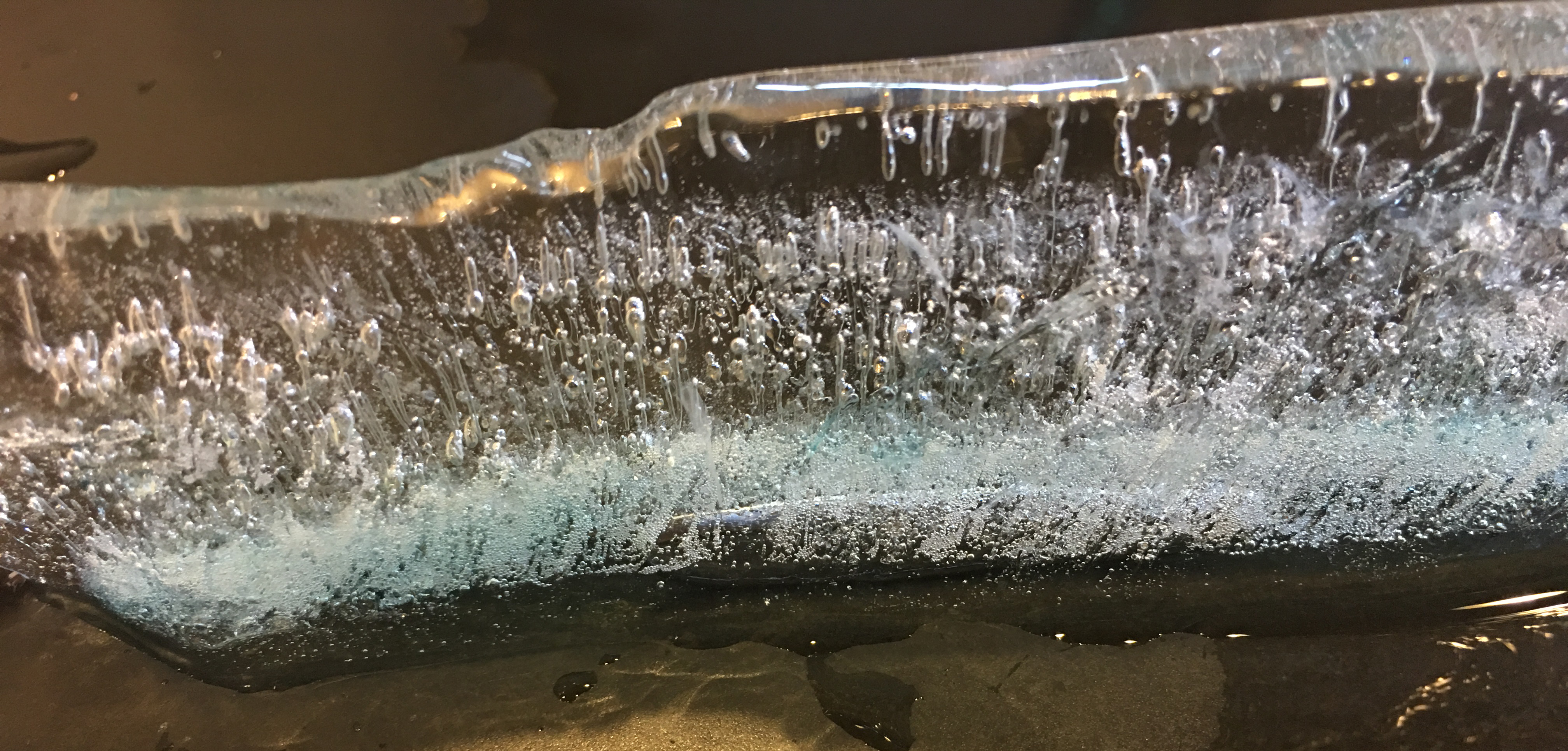
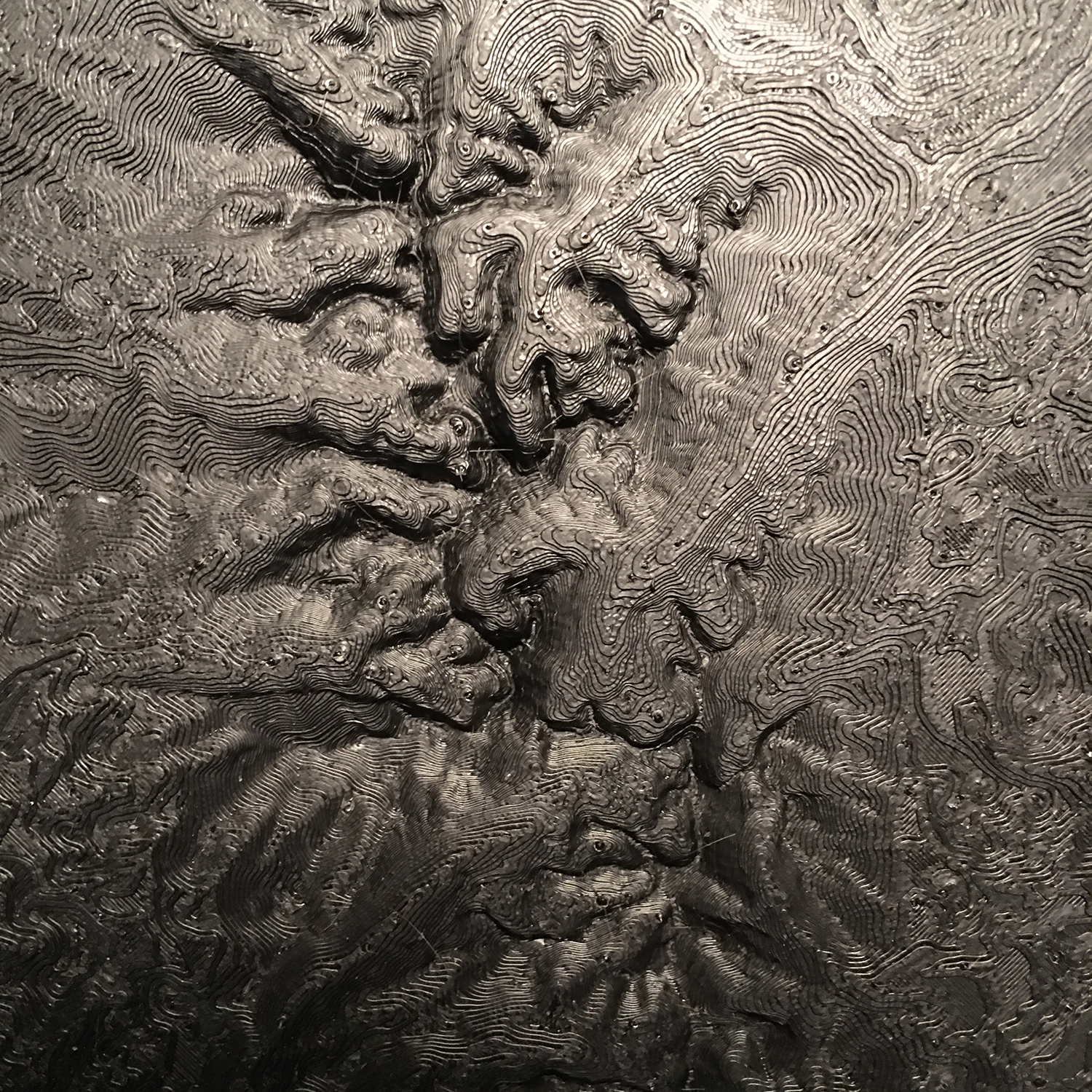
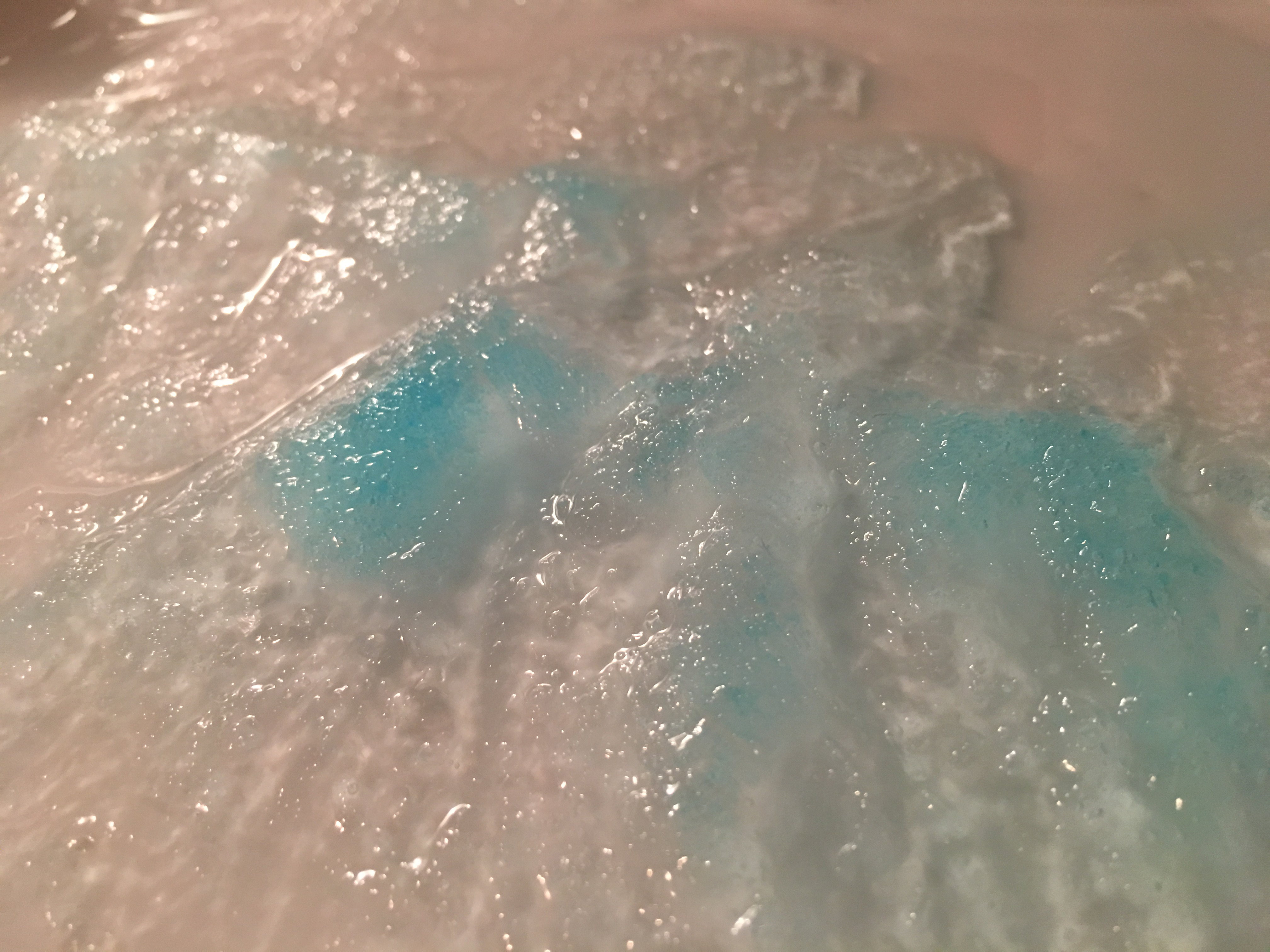
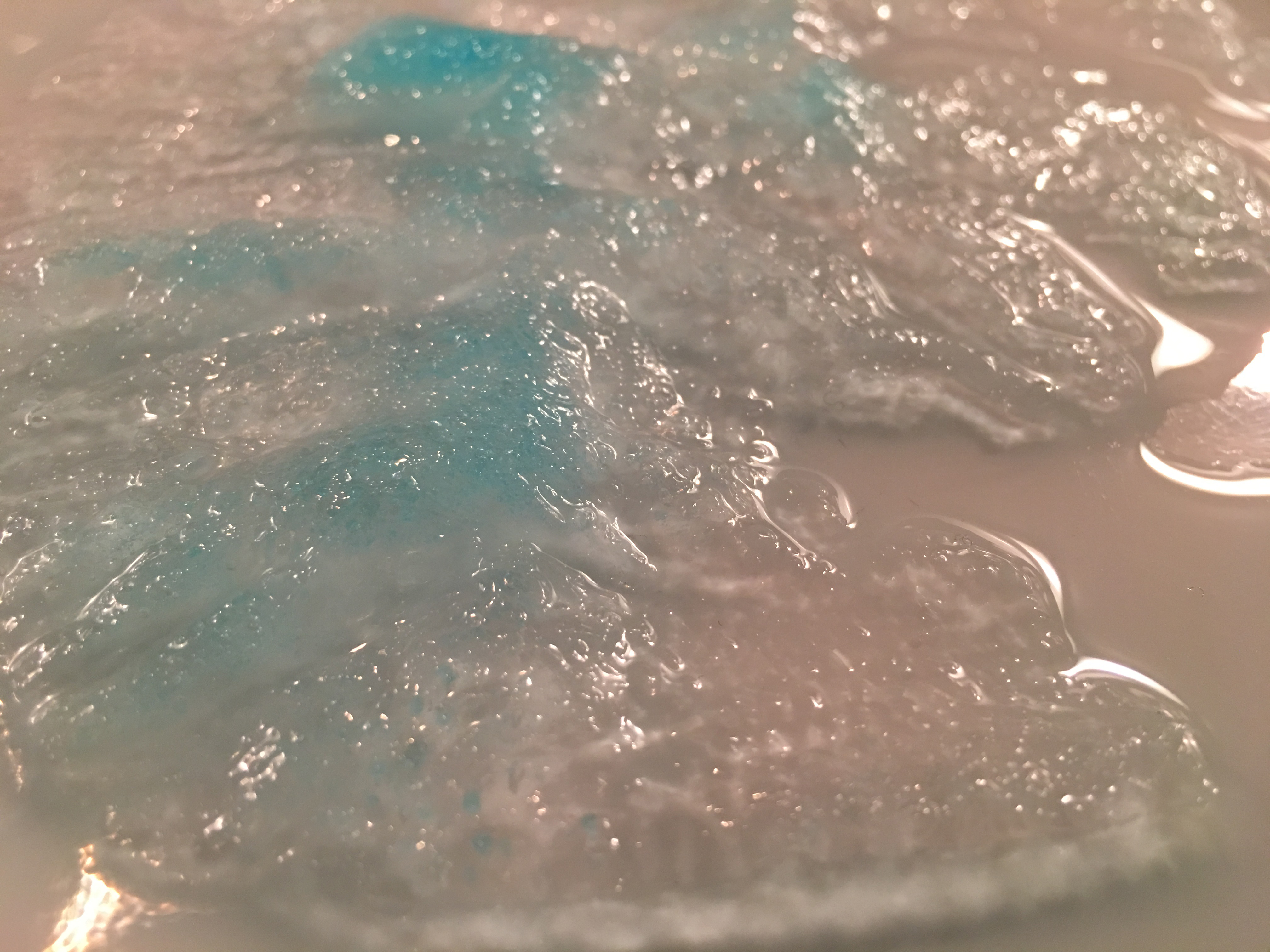
I decided to focus on Arctic Sea Ice instead of the Arapaho Glacier. I sometimes feel simple and not so smart. But then I wonder why no one stopped me from trying it so does that make you all simple too? The Arapaho Glacier 3D print as an ice sculpture was an epic fail. If this were to be attempted again, I would need to make a mold. The 3D print was not able to hold water. It needed to be submerged in water in order to create the ice sculpture but then I was unable to release the ice from the mold. Future attempts of a height map ice mold need to be deeper, both in elevation and frame support. The 1/8-1/4 inch depth was not enough to create a viable mold.
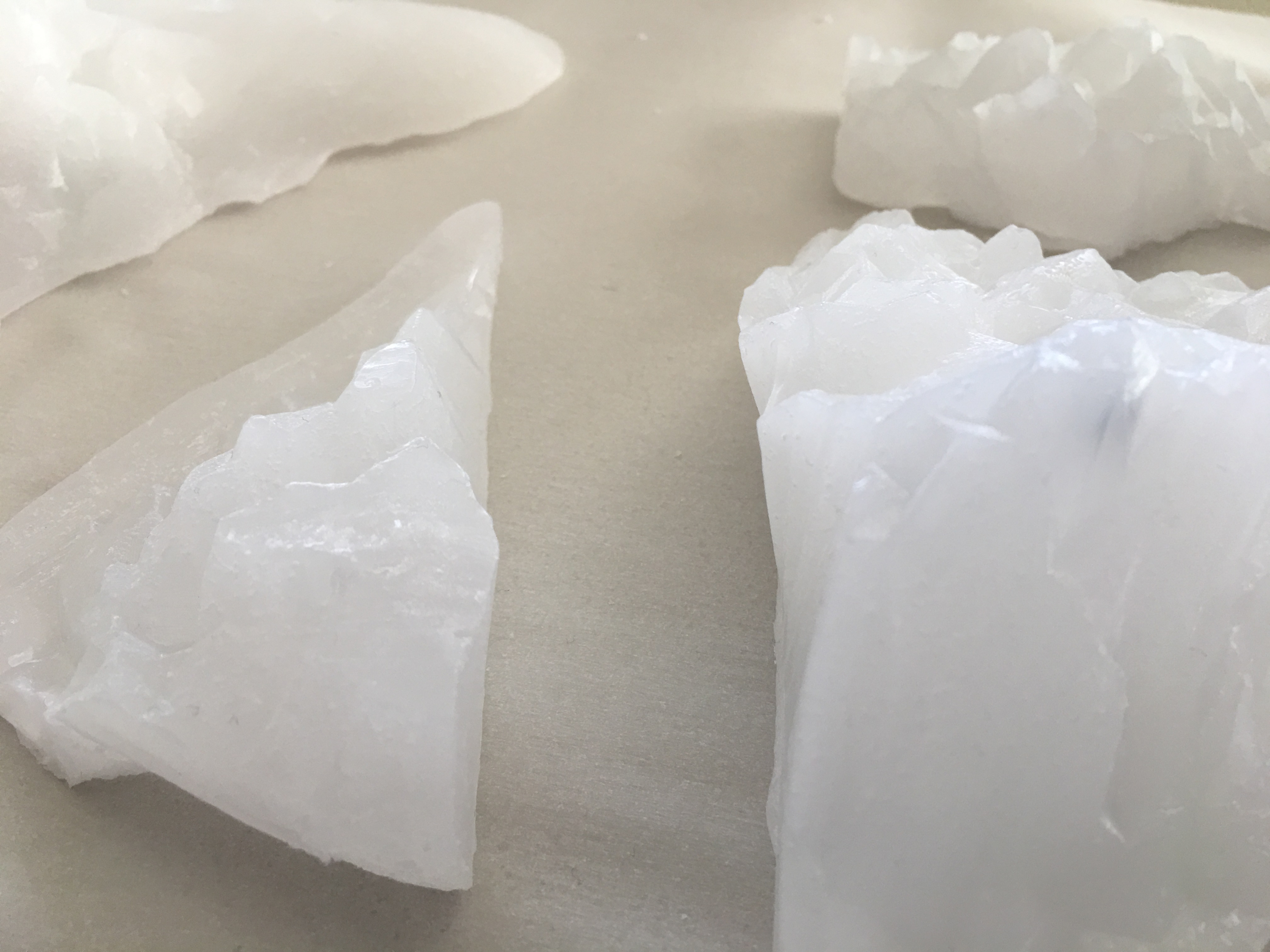
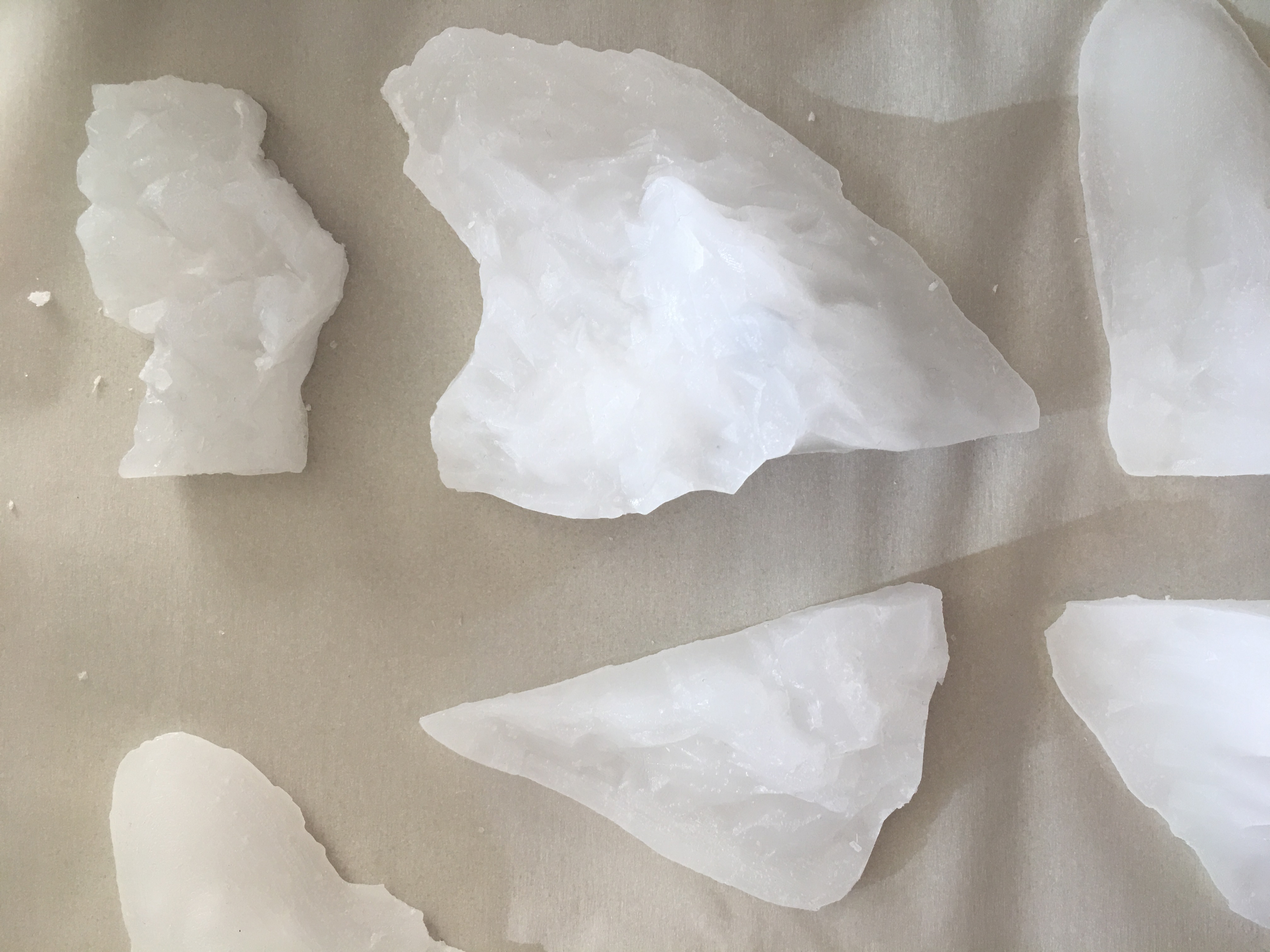
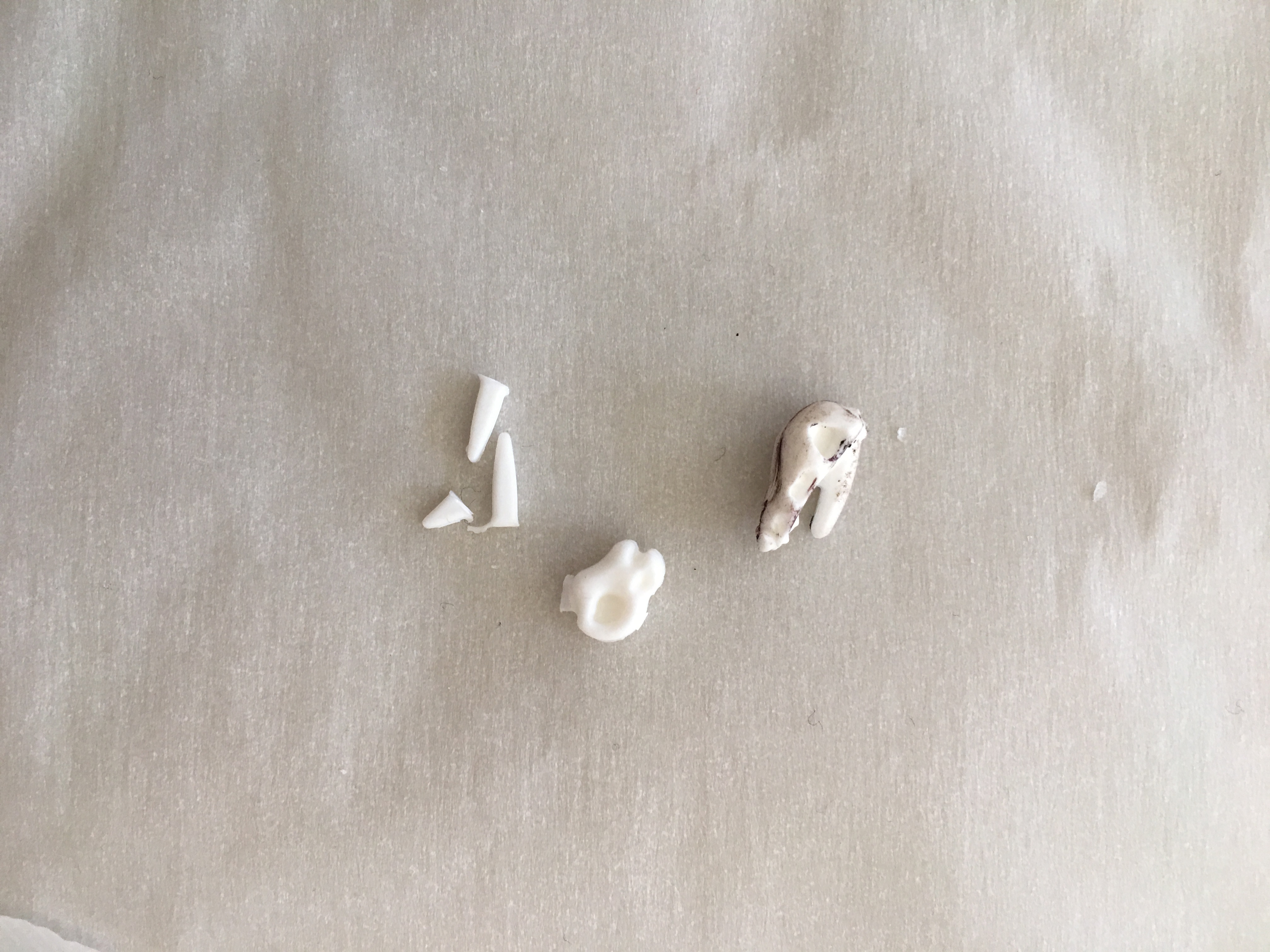
The final presentation of this project utilizes both wax and water molds. Using both materials allows us to visualize the wax ice that remains and the water ice that continues to melt/disappear. This presentation allows us to illustrate the data: Over the 34-year record, approximately 17% of this type of sea ice per decade has been lost to melt and export out of the basin since 1979 and 40% since 1999.