
Art should focus on how we are similar. Highlighting things we have in common or experiences we’ve shared. Specific instances where unity occurred and feelings were universal.
At the beginning of the semester, I had a conversation with Bill where we began to unpack, “What ARE interactive cultural artifacts?” If I’m going to develop super objects* that appropriately address social, political, and/or cultural issues – how can we do so without appropriation? I suggested the need to shift focus to something we all share, something we all have in common, something on which we can all unite –towards as one shared cause. This resolved for me as the environment. ALSO –If we’re going to CREATE art through adding physical objects to our world, shouldn’t those objects be “sustainable”?
*SUPER OBJECT is defined as an object that materializes what could be called the avant-garde dichotomy between art and life, referring to both spheres at the same time.
SUSTAINABILITY
The National Environmental Policy Act of 1969 committed the United States to sustainability, declaring it a national policy “to create and maintain conditions under which humans and nature can exist in productive harmony, that permit fulfilling the social, economic and other requirements of present and future generations.”
In recent years, concepts based on (re-)cycling resources are increasingly gaining importance. The most prominent among these concepts might be the Circular Economy, with its comprehensive support by the Chinese and the European Union. There is also a broad range of similar concepts or schools of thought, including cradle-to-cradle laws of ecology, looped and performance economy, regenerative design, industrial ecology, biomimicry, and the blue economy. These concepts seem intuitively more sustainable than the current linear economic system. The reduction of resource inputs into and waste and emission leakage out of the system reduces resource depletion and environmental pollution.”
We must be mindful of our usage and consumption of Energy, Water, Food, and Waste.
I recently purchased a vintage advertising letter. Most don’t know this, but I worked at an architectural salvage yard, selling similar artifacts. I’m in the process of developing a work with Tim where this letter would be transformed into a motion activated interactive artwork, powered by solar.
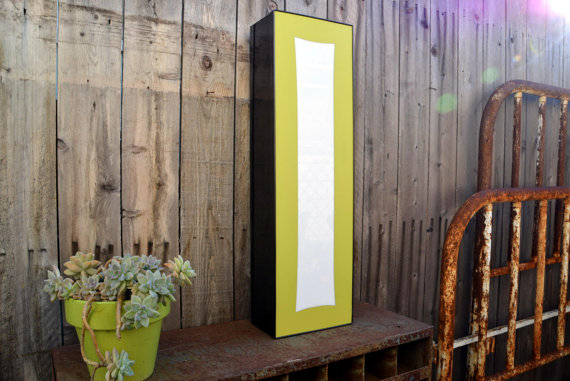
I am interested in both the creation of work that highlights environmental issues (ICE MELT) and the creation of works with an eye on responsible usage/consumption (SOLAR BEAR) and (LETTER “I”).
This sustainable work can highlight ongoing social, political and/or cultural issues. Potentially, these interactive artifacts could also be rooted in data visualization.
Many digital art projects require high energy usage/consumption. With the creation of artifacts, you also use energy, fossil fuels, etc. through the process of creating the objects. I’m interested in creating art that has a low footprint. How do I maintain the lowest amount of usage/consumption whilst sharing the work?
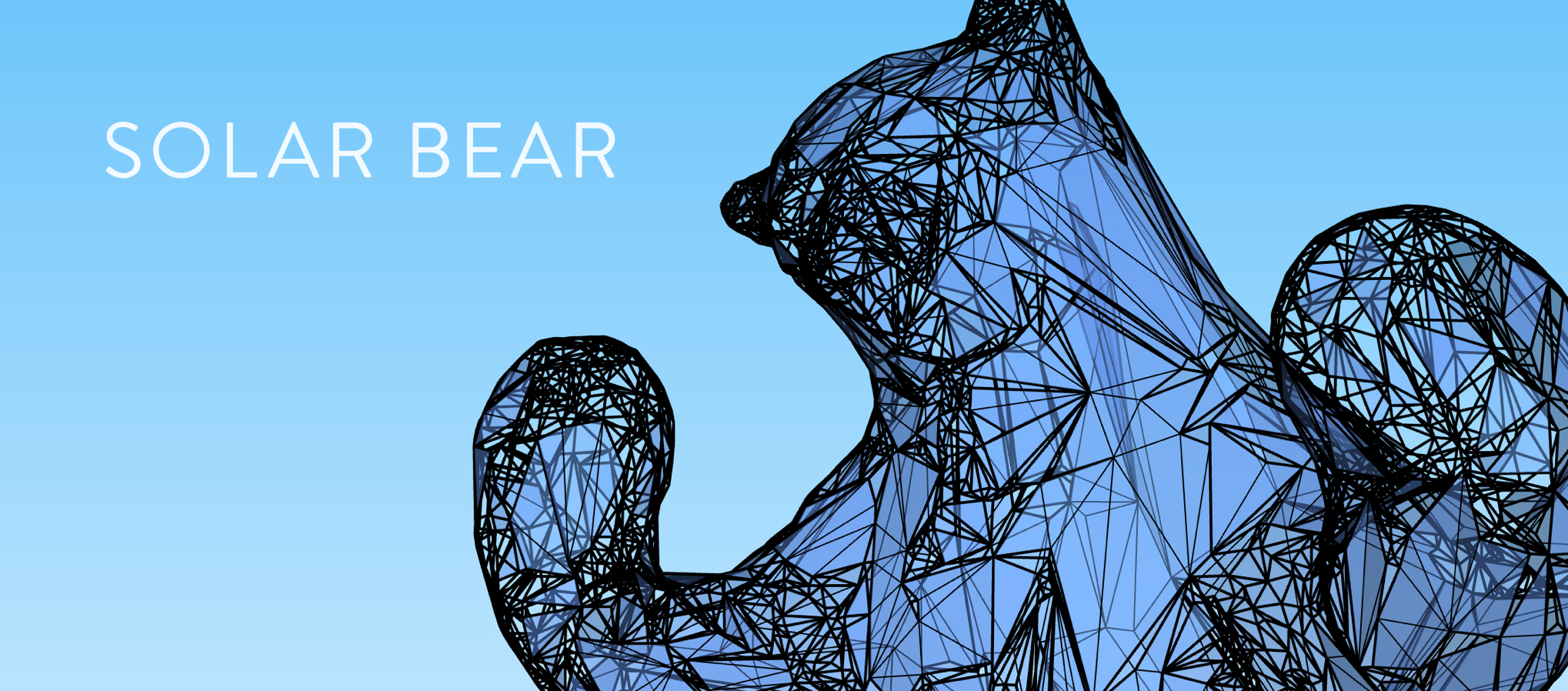
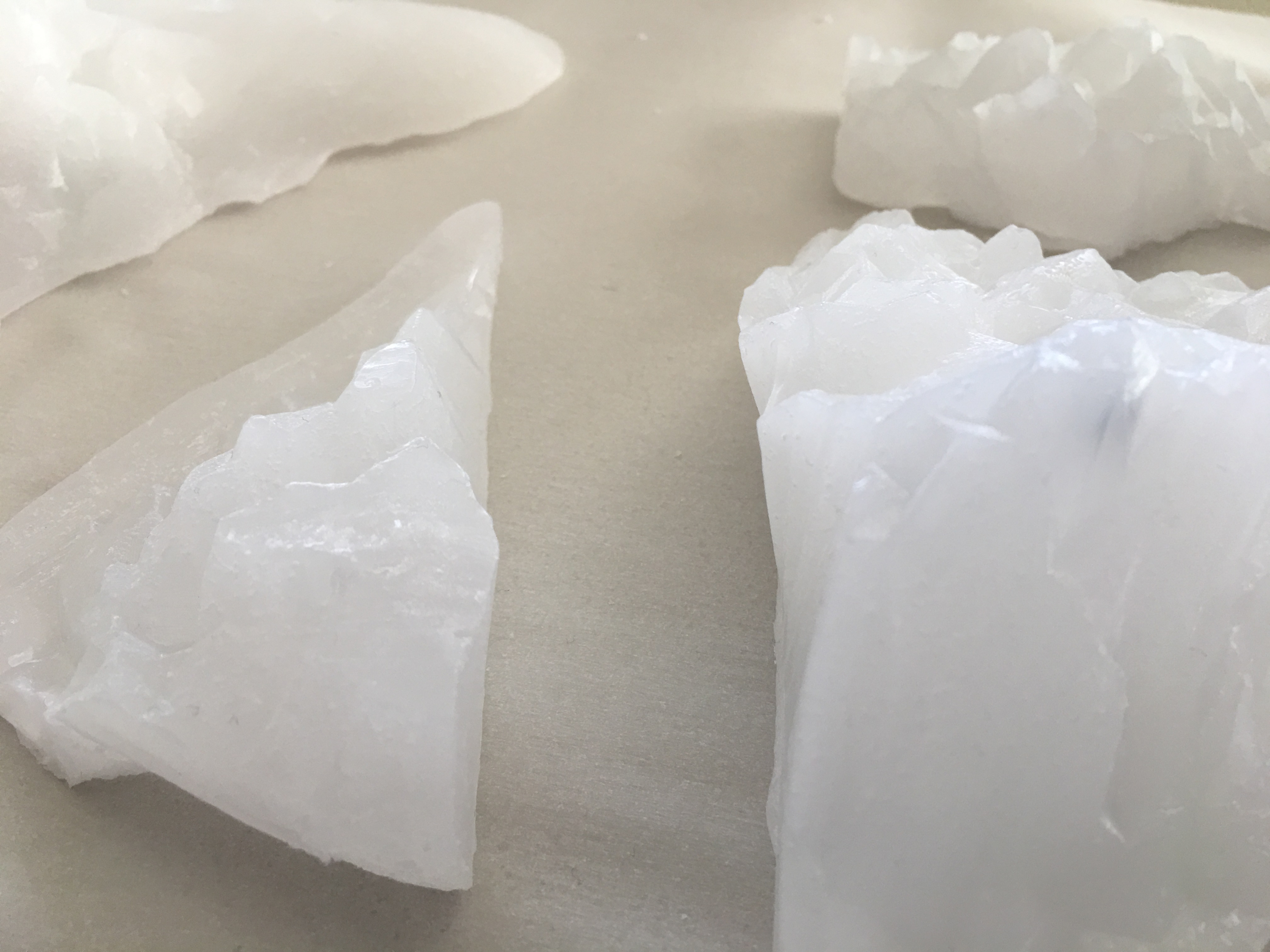
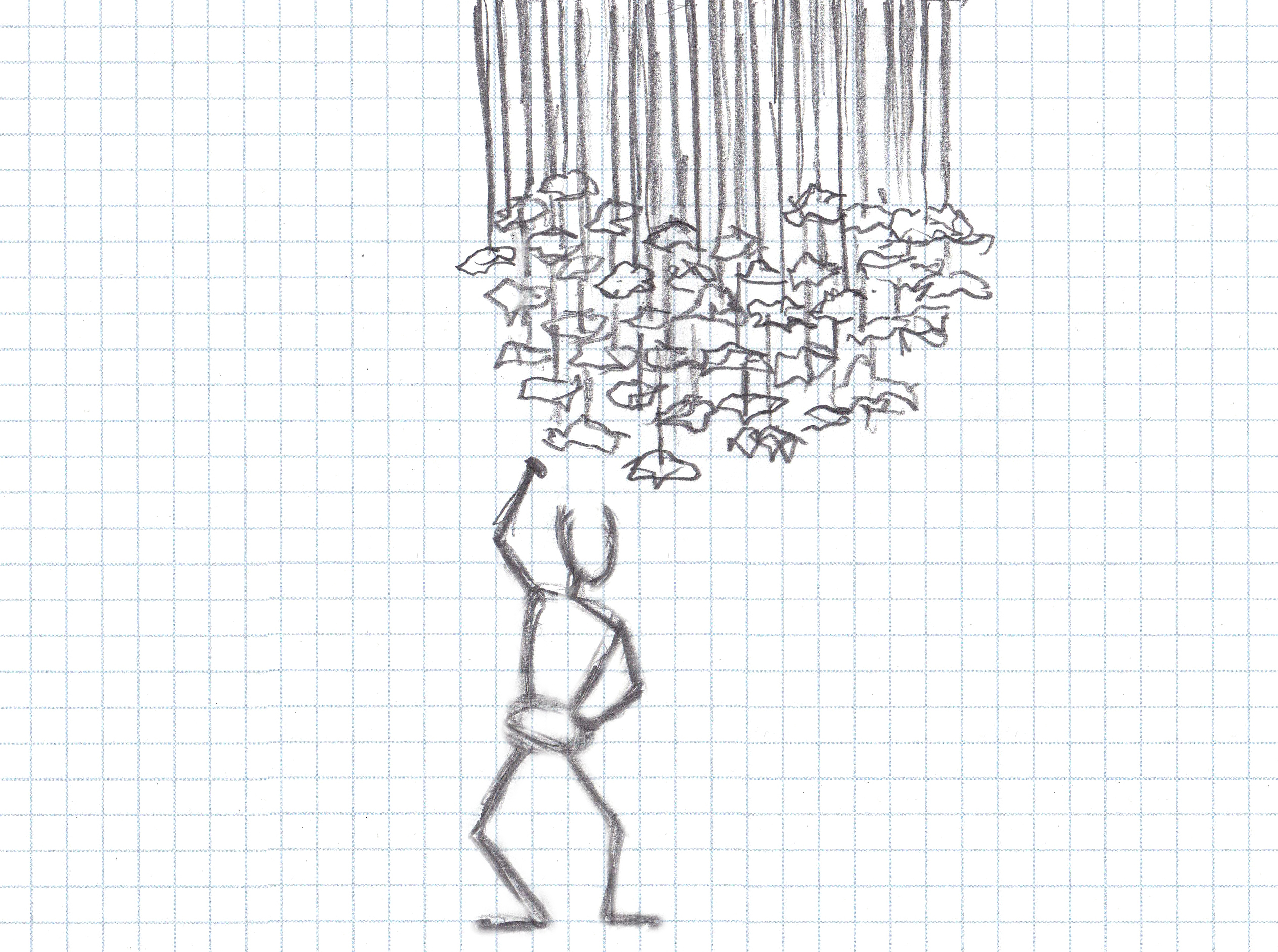
This academic year, several of my projects have crystalized around sustainability and environmental issues. Last semester I developed SOLAR BEAR, a solar-powered public art project, HYDROGLOBE, a cryptocurrency ICO focused on the global water crisis, and ICE MELT, a time-based mixed media artwork on melting arctic ice/global warming. I also started the initial sketches for a pollution/air quality project, BROWN CLOUD.
These projects will continue to address the importance of materiality and demonstrate that physical “objects” help represent that which is difficult to visualize, quantify and qualify. They also tackle critical environmental issues that often become invisible, forgotten throughout our day-to-day lives, until brought to light.
We could also create three works: reduce, reuse (remediate?), recycle.