——–
The thesis will focus on the importance of social sustainability (ecological and cultural) and interactivity in our physical environments.
Importance of interactivity and sustainability in new media.
——–
How do we increase social sustainability in our physical environment?
How to increase interactivity in our physical environment?
Various levels of engagement give agency/control to the viewer. Active, Passive
Awareness, Inclusivity, Comfort
Interpersonal Interaction, Participation
Utilize methods of interactivity
Sensors (physical interaction, passive)
Participation (physical interaction, active)
Google Voice API (Application Programming Interface) (voice controlled interaction, active)
Exhibition Works (artworks that are interactive, sustainably minded)
Adaptive Re-use/Upcycle of “trash” (importance of material?)
Solar-powered (when possible)
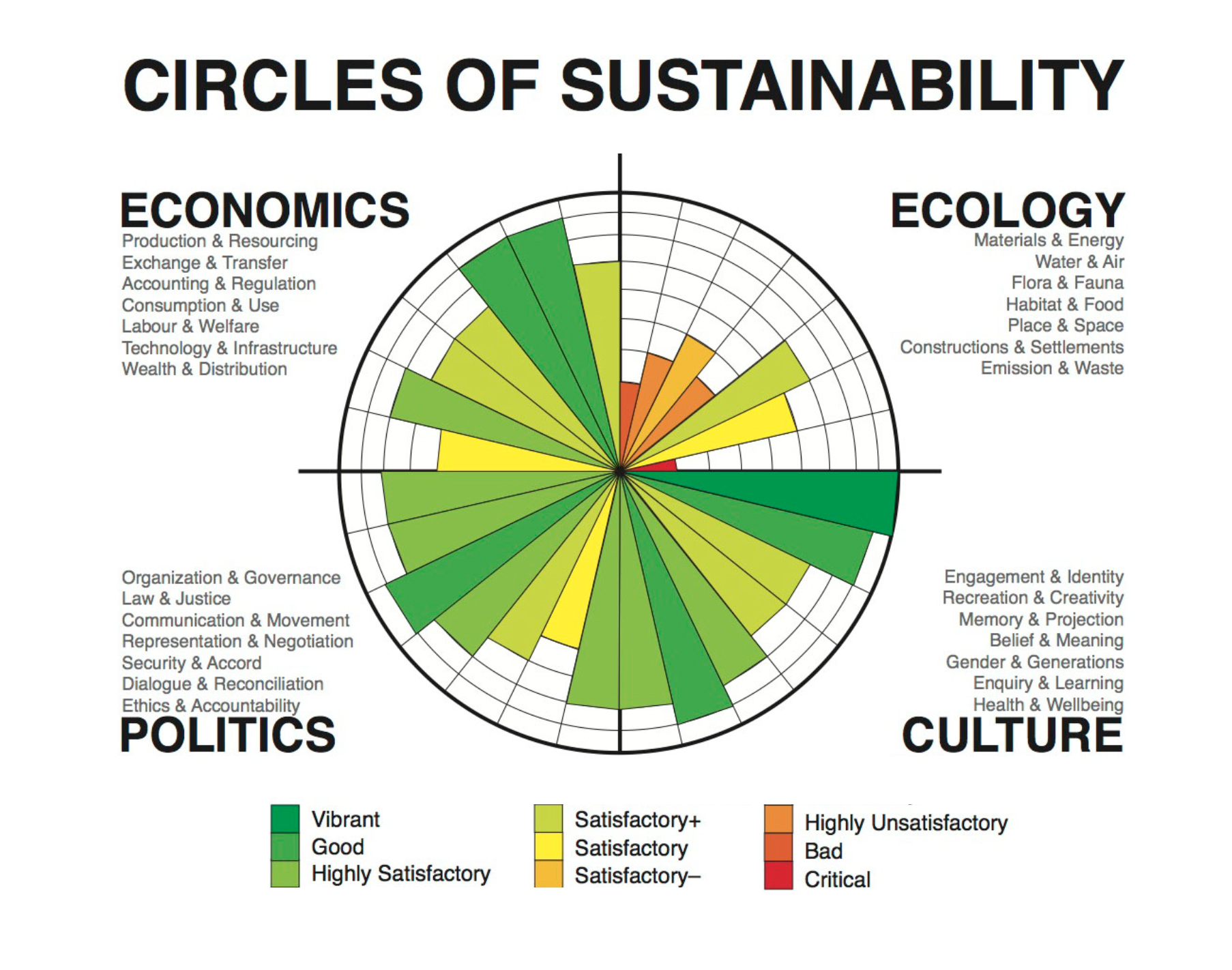
Ecological Sustainability (materials, energy, place and space)
Cultural Sustainability (engagement, recreation, learning)
Requires people to put down their phone and interact with one another
Not stagnant artworks
Focus on the four dimensions of social sustainability
- amenities and infrastructure
- social and cultural life
- voice and influence
- space to grow
Why Porcelain/Ceramic/Clay?
- Fragility of material calls attention to the fragility of the ecology
- Craft as-a-means to go back to a more human-dimension
- Objects just not as “things” since they carry stories/ancient knowledge within
Ceramic
- Uses high energy, high heat to produce
- Glazes can be toxic, decrease ability to biodegrade
- Natural material that comes from the earth and goes back to the earth
- Clay, silica and water (break down to dust)
- Must be analyzed on a case-by-case basis
Plastic
- Doesn’t truly biodegrade
- Contains harmful chemicals
(Bisphenol A and phthalates that disrupt hormones in people and wildlife) - Uses non-renewable petroleum to make
- We have a large disposable plastic pollution problem
INTERACTIVE CULTURAL ARTIFACTS
Interactive (sensors, physical, non-physical, passive, active)
Cultural (community-focused)
Artifacts (objects/adaptive re-use of materials – when possible)
SOCIAL SUSTAINABILITY